Nashville Metro Council set to vote on resolution opposing The Boring Company’s Music City Loop tunnel
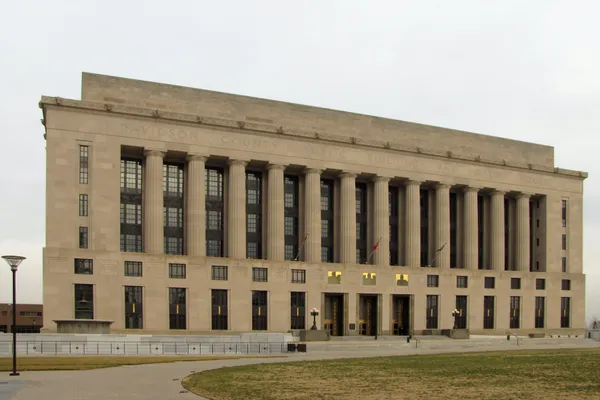
A symbolic vote amid advancing state approvals
The Metropolitan Council is scheduled to vote on a memorializing resolution opposing the proposed Music City Loop, an underground transportation tunnel planned to connect downtown Nashville with Nashville International Airport. The resolution is not legally binding, and passage would not, by itself, halt planning or construction.
The measure is framed as a formal statement of opposition and centers on concerns about project transparency, the level of community and Council engagement, and labor and safety practices. The resolution also asserts that decisions involving public land and public infrastructure should prioritize residents’ welfare, safety, and expressed needs.
What the Music City Loop is proposed to build
The Music City Loop has been described as an underground system designed to move passengers in electric vehicles through a tunnel network linking downtown and the airport, with additional routing concepts that have included corridors toward West End Avenue. The Boring Company has described the project as privately funded and operated, with fares to be paid by riders.
In project materials, the company has presented an alignment running from near the State Capitol south and southeast toward the airport, with a separate alignment described along West End Avenue. The company has also stated the system is intended to meet or exceed NFPA 130 fire and life safety standards and would operate with trained drivers.
Airport authority action: a long-term license agreement
In February 2026, the Metropolitan Nashville Airport Authority approved a license agreement authorizing the project’s use of airport property as the tunnel’s airport endpoint. The agreement’s financial terms include licensing payments that total $34 million over the full term if extension options are exercised, starting at $300,000 in the first year with annual increases of 3%.
The agreement also establishes an operations-related fee structure once service begins, including per-trip pickup and drop-off charges at the airport. Airport officials have said the arrangement does not require airport capital investment.
State-level approvals and a push for new oversight
Separately, in late February 2026, state and federal transportation officials approved a lease application and a grading permit enabling the use of state-controlled highway right-of-way for the project. State officials characterized the approvals as clearing a key step for construction activity on state property.
At the same time, proposed state legislation has sought to create a new authority to oversee subterranean transportation infrastructure. As described in legislative discussions, the proposed framework would consolidate certain permitting, inspection, and standards-setting functions for qualifying underground projects on state-owned property, while stating that construction under locally owned or privately owned property would still require consent.
What the Council vote changes—and what it doesn’t
It records Council opposition in writing but does not function as a stop-work order.
It amplifies questions about transparency, safety, and public process as permitting and construction steps proceed.
It unfolds alongside shifting jurisdictional dynamics, with state actions affecting how much direct control Metro can exert over parts of the project.
Even with a symbolic resolution, the practical trajectory of the project is likely to depend on permitting decisions, property rights, and the terms of state and airport agreements already in motion.
Nashville Metro Council and Mayor’s Office move to ease childcare costs by changing rules and permitting
Suspect arrested after South Nashville hotel shooting left victim with multiple gunshot wounds and broken femur

Oryx-like antelope reported loose in Joelton prompts multi-agency response and public safety warnings