Oryx-like antelope reported loose in Joelton prompts multi-agency response and public safety warnings
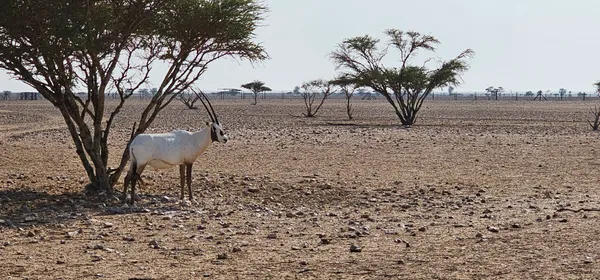
Reports describe a non-native animal moving through yards, farms, and roadways
An antelope-like animal was reported roaming in the Joelton area in early March 2026, with residents describing multiple sightings across neighborhood properties, wooded areas, and near roadways. The animal was repeatedly observed over several days, indicating it remained at large and mobile rather than confined to a single location.
Residents circulated informal descriptions and tracking updates among neighbors while emphasizing caution around the animal. The repeated sightings also raised practical concerns about traffic safety, particularly where the animal was seen near roads during active commuting hours.
Animal control involvement shifted as jurisdiction and capabilities were assessed
Local animal control authorities confirmed they received at least one report of the animal and redirected the matter to Metro Nashville’s animal care and control function for follow-up. That handoff reflected the operational reality that unusual livestock or exotic-animal cases can require specialized equipment, coordination, and—depending on the species—additional regulatory considerations.
As of the initial reports, public officials had not confirmed the animal’s owner, its point of origin, or whether it had escaped from a private facility. One working possibility discussed locally was that it may have come from a nearby property that keeps non-traditional animals, but no official determination had been publicly documented at the time the sightings were reported.
What the animal may be: “antelope” versus oryx
Descriptions from the scene varied, with some references using “antelope” as a general term. Separately, the animal was also described as an oryx—an antelope species group native to Africa—based on its appearance. Without an official on-the-record identification, the most defensible characterization remains that a non-native antelope-like animal was observed loose in Joelton.
Why loose exotic animals create distinct safety and welfare risks
Even when an animal appears calm, a loose non-native ungulate can behave unpredictably, particularly when startled by people, pets, or vehicles. The primary immediate risks in such incidents typically include vehicle collisions, injuries during attempted capture, and stress-related harm to the animal.
For residents: avoid approaching or attempting to feed the animal, and keep dogs leashed outdoors.
For drivers: reduce speed in areas of reported sightings, especially on narrow roads with limited visibility.
For property owners: do not attempt improvised capture methods that could injure the animal or bystanders.
Public safety guidance in such cases generally prioritizes distance, observation, and rapid reporting to the appropriate animal control authority rather than direct intervention.
Regulatory backdrop in Tennessee
Tennessee regulates certain exotic and wild animals through a classification-and-permitting framework that can apply to private possession, transport, and containment requirements. In incidents involving a loose exotic animal, authorities typically focus on safe recovery first, then determine ownership, compliance status, and any enforcement steps once the animal is secured.
The situation remained active during the initial reporting window, with the central unresolved questions being where the animal came from, who owns it, and how it will be safely recovered.
Nashville Metro Council and Mayor’s Office move to ease childcare costs by changing rules and permitting
Suspect arrested after South Nashville hotel shooting left victim with multiple gunshot wounds and broken femur

Nashville police arrest student after loaded handgun found at Pearl-Cohn High School, raising campus security questions