Nashville Metro Council advances Buchanan Street commercial compatibility overlay, setting up final vote and enforcement debate
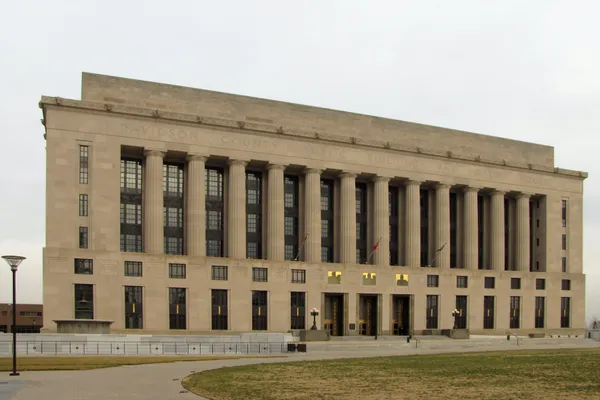
Second-reading vote moves proposed North Nashville zoning restrictions closer to adoption
Nashville’s Metro Council approved a proposed “Commercial Compatibility Overlay” for parts of Buchanan Street on its second of three required readings on March 3, 2026, advancing a package of zoning rules that would apply to future businesses along the corridor and nearby side streets. The measure is scheduled to return for a third-reading vote on March 17, 2026, after additional review steps.
The overlay is designed to add regulations on top of existing base zoning rather than rewrite the underlying zoning classifications. If adopted, it would set additional conditions on certain uses and operations within the designated area, a mechanism Metro uses in other contexts to tailor development standards to a specific location.
What the overlay would change—and what it would not
The proposed overlay targets portions of Buchanan Street between 21st Avenue North and Interstate 65. Supporters and opponents have focused on two categories of restrictions: limits on certain high-impact business types and operating standards tied to hours and noise.
Operating standards: proposed rules would limit business operations past midnight for certain uses and require amplified outdoor music to end by 9 p.m.
Use restrictions and spacing: the proposal includes additional limits on new establishments such as auto-related uses, car washes, and certain retail categories; it also includes buffer and spacing requirements intended to prevent clusters of similar high-impact uses.
Metro officials and the bill’s sponsors have emphasized that the overlay is prospective in practice: existing businesses would be allowed to continue operating under their current entitlements, while new businesses or expansions seeking new approvals would be subject to the added standards.
Why the proposal has drawn competing claims
Debate around the overlay has centered on how to manage rapid change along a corridor that mixes long-established residences with a growing commercial scene. Residents supporting the overlay have cited recurring quality-of-life complaints, including late-night noise, trash, and activity they say spills into adjacent neighborhoods. They argue the overlay would help protect homes from new, more intensive nightlife or auto-oriented development on nearby lots.
Business owners and other opponents have warned that restrictions tied to nightlife, entertainment, and certain commercial categories could reduce the corridor’s ability to attract new investment and limit operating models that rely on late-evening revenue. Some have also questioned why Buchanan Street is being considered for a tool not yet widely applied in other nightlife-heavy areas of Nashville.
What happens next
Before the overlay can take effect, the Metro Council must pass it on third reading. Planning-level review and public feedback have already shaped revisions and deferrals earlier in the process, and the final vote will determine whether Buchanan Street becomes the first area in Nashville to operate under this specific “commercial compatibility” framework.
If approved on March 17, the overlay would become part of the zoning rules governing new and modified business proposals within its boundary, shaping how Buchanan Street’s next phase of development is permitted and regulated.
Nashville Metro Council and Mayor’s Office move to ease childcare costs by changing rules and permitting
Suspect arrested after South Nashville hotel shooting left victim with multiple gunshot wounds and broken femur

Oryx-like antelope reported loose in Joelton prompts multi-agency response and public safety warnings