Nashville Iranian-American restaurateur describes mixed emotions as U.S.-Israeli strikes intensify fighting in Iran
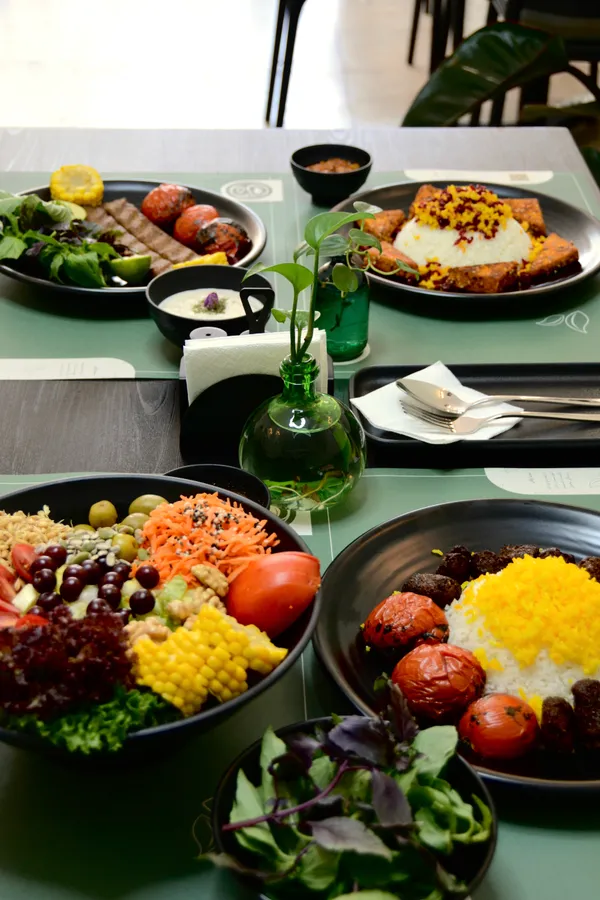
A local business owner follows events from afar while trying to reach loved ones
An Iranian-American restaurant owner in Nashville described a mix of fear, uncertainty and guarded hope after the United States and Israel launched a major wave of strikes inside Iran on Feb. 28, 2026, triggering rapid escalation across the region.
Naz Kiani, who opened Noôsh Persian Cuisine on White Bridge Road, said she has close ties in Iran and spent the early hours of Saturday attempting to contact family and friends. She described messages that would not deliver and phone calls that rang without being answered, which she attributed to disrupted communications. Kiani later said she received word that her relatives were safe but sheltering indoors and unsure what would follow.
“I felt very conflicted,” Kiani said, describing simultaneous opposition to war and concern for civilians alongside long-standing anguish over violence against protesters in Iran.
Strikes and retaliation drive a fast-moving security crisis
The operation began Feb. 28 and continued into March 1, with U.S. Central Command reporting a large-scale campaign against Iranian military and command infrastructure. Regional tensions widened as Iran launched retaliatory strikes against U.S. positions in multiple Gulf states, and U.S. officials reported American casualties. The conflict’s trajectory and duration remained uncertain as of Sunday, March 1.
In Iran, officials reported civilian deaths in at least one strike-related incident that drew international scrutiny and raised questions about the proximity of military facilities to civilian sites. Independent confirmation of casualty figures has remained limited amid the pace of events and restrictions on information flows.
Community impact reaches Nashville’s dining room
Kiani said she tries to use her restaurant as a place where customers can encounter Iranian culture beyond headlines—through food, art, and conversation. She described an intent to distinguish between Iran’s people and the country’s governing authorities, while acknowledging that ordinary families bear the immediate fear when violence intensifies.
Her comments reflect a dilemma often voiced by diaspora communities during international crises: the desire for political change and human rights alongside anxiety that military escalation can produce broad civilian harm and deepen instability.
What Kiani says she is watching now
- Whether communication disruptions in Iran ease enough for families abroad to confirm loved ones’ safety.
- Whether the conflict expands beyond initial targets and retaliatory exchanges.
- Whether the situation produces openings for de-escalation or a longer campaign with wider humanitarian consequences.
For Kiani, the immediate reality remained personal and practical: checking phones, seeking confirmation that relatives are safe, and preparing for a period of uncertainty while hoping for a future defined by security and basic rights rather than fear.
Nashville Metro Council and Mayor’s Office move to ease childcare costs by changing rules and permitting
Suspect arrested after South Nashville hotel shooting left victim with multiple gunshot wounds and broken femur
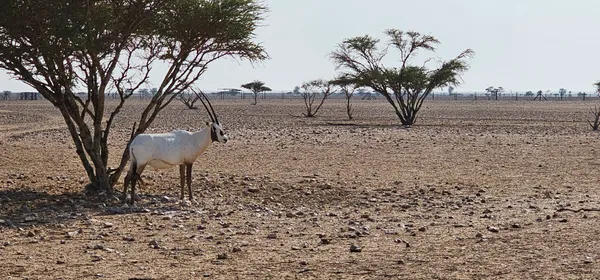
Oryx-like antelope reported loose in Joelton prompts multi-agency response and public safety warnings