How Rising Apartment Vacancies Are Changing Rent Negotiations for Nashville Tenants Renewing Leases in 2026
A shifting balance in Nashville’s rental market
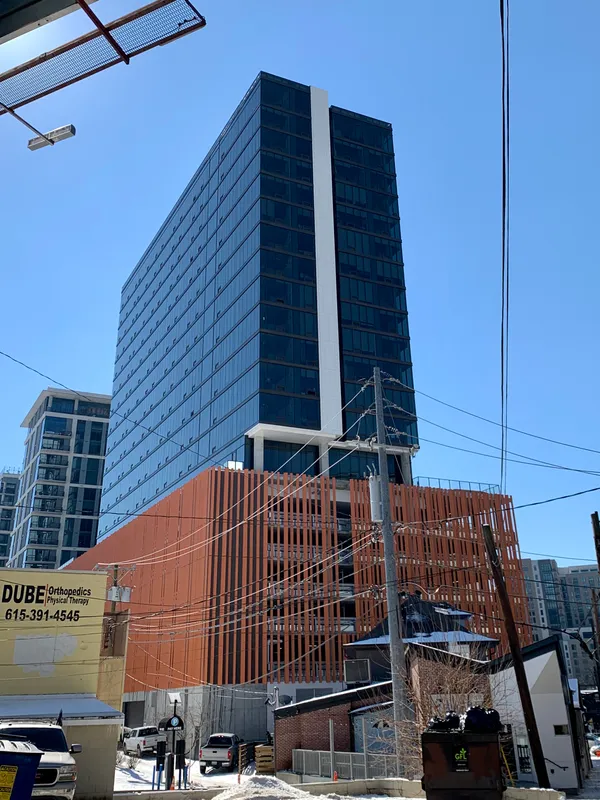
Nashville’s apartment market is showing clearer signs of tenant leverage than it did during the peak of the post-pandemic rent surge, as elevated vacancy coincides with a large pipeline of recently delivered units. By the end of 2025, market vacancy climbed to about 8.5%, with newer, higher-end properties posting even higher vacancy in some areas. Downtown Nashville was among the weaker pockets, while areas with less new construction remained comparatively tight.
At the same time, rent growth has not disappeared. Instead, it has moderated alongside the supply-driven loosening, producing a market where property managers often try to defend “face rent” while using incentives and lease terms to close deals.
What vacancies mean in practical negotiations
When vacancies rise, landlords tend to compete on terms rather than headline prices. Across the U.S., more than one-third of listings advertised concessions in September 2025, a record share for that month, reflecting a broad strategy of offering move-in deals instead of cutting base rents. In markets with substantial new supply, concessions can include free weeks of rent, waived administrative fees, discounted parking, or other short-term incentives.
For Nashville renters, this dynamic most commonly shows up in renewal discussions and in the leasing office’s willingness to adjust total move-in cost. The goal for tenants is often to reduce the effective rent over the lease term, not only the advertised monthly number.
Key factors landlords and tenants are weighing
Property class and submarket: Newer Class A buildings that delivered during the 2023–2025 construction wave have faced more competition from nearby projects, while lower-vacancy areas have maintained firmer pricing.
Lease length: Concessions are frequently tied to 13–18 month terms, designed to manage future turnover and seasonality.
Operating-cost pressure: Separately from apartment fundamentals, Davidson County’s recent reassessment cycle and related tax dynamics have increased attention on property tax exposure. For some property types and lease structures, tax changes can feed into rent-setting decisions over time.
The legal baseline: how rent increases typically work in Tennessee
Tennessee does not cap rent increases statewide, and rent changes generally occur at renewal for fixed-term leases. For month-to-month tenancies, landlords typically must provide written advance notice before a higher rent takes effect. As a result, many negotiations focus less on the legality of an increase and more on whether a tenant is willing to renew at the proposed rate or shop competing properties.
In a higher-vacancy environment, the most consequential number is often effective rent after concessions, not the listed monthly figure.
What to watch in 2026
With completions easing from the recent peak but vacancy still elevated, Nashville is entering 2026 with a market structure that can support negotiation—particularly in submarkets with heavy new supply. Whether that leverage translates into lower asking rents or simply richer concessions will depend on how quickly newly delivered inventory is absorbed and how job growth translates into household formation over the year.
Nashville Metro Council and Mayor’s Office move to ease childcare costs by changing rules and permitting
Suspect arrested after South Nashville hotel shooting left victim with multiple gunshot wounds and broken femur

Oryx-like antelope reported loose in Joelton prompts multi-agency response and public safety warnings