East Nashville residents push NDOT traffic-calming plan for Porter Road segment between Eastland and Greenwood
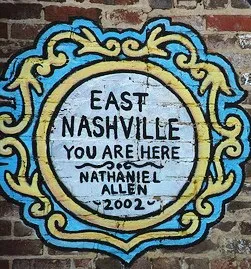
A neighborhood-driven safety request moves into NDOT’s formal traffic-calming process
A push to slow traffic on Porter Road in East Nashville has advanced into Metro Nashville’s Neighborhood Street Traffic Calming Program, placing a defined segment of the corridor under review for potential design changes intended to reduce vehicle speeds and improve safety for all street users.
The Nashville Department of Transportation and Multimodal Infrastructure (NDOT) has selected Porter Road from Eastland Avenue to Greenwood Avenue for the program. The effort began with a resident application seeking measures that address speeding and improve conditions for people walking, biking, using transit, and driving.
How Porter Road was selected
NDOT’s traffic-calming selections are based on a scoring framework that weighs several factors, led by measured vehicle speeds and traffic volumes. For the Porter Road segment, NDOT’s process identifies the following criteria used to evaluate streets citywide:
- Vehicular speed (largest share of the score)
- Traffic volume
- Non-driver accommodations, such as sidewalks, bikeways, and nearby transit
- History of pedestrian or bicyclist injuries and fatalities over a 10-year period
- Proximity to common trip destinations
NDOT’s broader Vision Zero work has previously highlighted that a small portion of streets accounts for a large share of fatal and serious injuries in Nashville, guiding an emphasis on data-driven safety priorities.
What “traffic calming” can include—and what it is designed to do
Within Metro’s neighborhood program, traffic calming typically aims to lower speeds and improve safety for non-drivers, often through street design changes rather than enforcement alone. In practice, measures can range from signage and pavement markings to physical devices that create vertical deflection, such as speed humps, speed cushions, or speed tables.
Federal roadway safety guidance describes speed cushions as a device that can reduce crossing speeds into roughly the mid-teens to around 20 mph at the device itself, with the strongest effect closest to the installation. The same guidance notes that spacing between devices is commonly used to maintain lower operating speeds over longer distances.
Decision point ahead: property-owner balloting and a two-thirds threshold
The Porter Road project is currently in the community engagement phase, during which NDOT develops a design concept and collects feedback. A key step comes next: property owners with a property line along the affected segment will be eligible to vote to approve or reject the proposed plan.
Under Metro’s traffic-calming ballot rules, projects that include vertical measures proceed only if at least two-thirds of voting respondents support the proposal.
If the ballot does not reach that threshold, NDOT policy calls for staff to move forward with a non-intrusive design that does not include vertical measures.
Why the debate can be contentious
Traffic-calming installations in East Nashville and elsewhere have generated mixed reactions in recent years, with some residents emphasizing pedestrian safety on streets lacking sidewalks and others raising concerns about vehicle impacts, noise, and day-to-day drivability. NDOT’s program structure—requiring a supermajority of participating property owners to advance vertical devices—reflects how the city formalizes neighborhood consensus before installation.
For Porter Road, the next public milestone will be the release of a final design and the opening of the official ballot period, which is scheduled and administered by NDOT as part of the program’s standard process.
Nashville Metro Council and Mayor’s Office move to ease childcare costs by changing rules and permitting
Suspect arrested after South Nashville hotel shooting left victim with multiple gunshot wounds and broken femur

Oryx-like antelope reported loose in Joelton prompts multi-agency response and public safety warnings