Waymo’s autonomous vehicle testing in Nashville prompts Woodbine residents to report traffic disruptions and safety worries
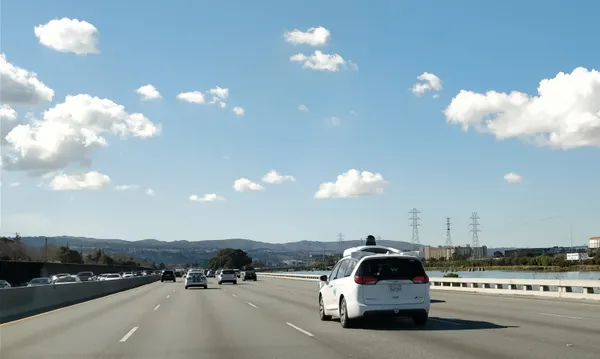
Woodbine complaints emerge as autonomous driving expands locally
Residents in Nashville’s Woodbine neighborhood are raising concerns about the day-to-day presence of Waymo autonomous vehicles on local streets, describing repeated traffic slowdowns and situations they believe create avoidable risk for drivers, pedestrians and cyclists. The complaints center on vehicles stopping or waiting in residential areas and on narrow streets, where brief interruptions can back up traffic and complicate access for nearby homes.
The reports come as Waymo’s Nashville activity moves from mapping and supervised testing toward more advanced operations. The company announced plans in 2025 to bring fully autonomous ride-hailing to Nashville through a partnership with Lyft, outlining a phased rollout that begins with autonomous operations and later opens service to public riders.
What is confirmed about Waymo’s current Nashville operations
Waymo has been conducting testing in Nashville as it prepares for a commercial launch. In early February 2026, Metro Nashville Police Department leadership received an orientation on Waymo vehicles ahead of expected autonomous operations in parts of the city later that month. In February 2026, industry reporting also described Waymo removing the human safety driver from some test vehicles in Nashville, a step typically associated with moving closer to driverless service.
- Waymo has publicly stated it intends to launch in Nashville and scale operations over time.
- MNPD has taken preparatory steps to understand how to interact with autonomous vehicles during stops and incidents.
- Testing has included vehicles operating without a person in the driver’s seat in at least some scenarios.
Safety questions heightened by recent scrutiny elsewhere
Local neighborhood concerns are unfolding amid heightened national attention on how autonomous vehicles behave in complex, unpredictable environments. In late January 2026, federal safety regulators opened an investigation after a Waymo robotaxi struck a child near an elementary school in Santa Monica, California. Waymo told regulators the child ran into the roadway from behind a double-parked vehicle during morning drop-off hours; the investigation is examining whether the vehicle exercised appropriate caution in a school-zone context.
In Nashville, the core issue raised by Woodbine residents is less about a single high-profile collision and more about frequent, smaller disruptions that can accumulate into perceived safety hazards on neighborhood streets.
How Nashville could respond
Neighborhood-level complaints typically land at the intersection of traffic engineering, parking enforcement, and public safety planning. Nashville’s traffic-calming framework gives communities pathways to request evaluations and interventions where speeding, cut-through traffic, or operational conflicts are persistent. In the case of autonomous-vehicle staging or repeated stopping on residential streets, potential remedies can include clearer curb-management rules, designated pickup and waiting areas, and operational coordination that reduces clustering in sensitive locations.
For Woodbine, the immediate question is whether the reported disruptions reflect isolated testing behaviors or a pattern likely to expand as autonomous operations scale. City agencies, police leadership, and Waymo will face pressure to clarify operating boundaries and establish response protocols before public ride-hailing begins.