Waymo Driverless Vehicles Begin Autonomous Operations in Nashville Ahead of Public Robotaxi Rides Launch
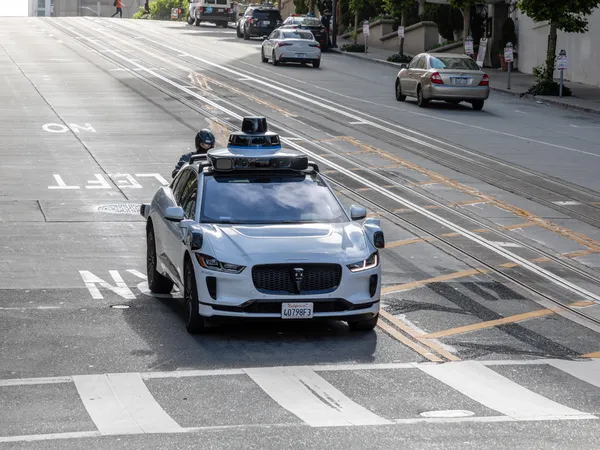
Autonomous Waymo vehicles are now operating on Nashville streets as the company prepares a phased rollout
Driverless Waymo vehicles have begun operating autonomously in parts of Nashville, marking a new stage in the company’s preparations to offer paid robotaxi trips in the city. The Metro Nashville Police Department (MNPD) said it recently received an orientation on the vehicles and indicated the cars were expected to operate without a human driver during February 2026.
While initial public descriptions suggested the vehicles would be available to rideshare customers on certain routes, Waymo clarified that the next step is fully autonomous operations for employees, which the company describes as the final step before opening access to public riders. That distinction places Nashville in a familiar staged deployment model used by autonomous-vehicle operators: mapping and data collection, supervised testing, driverless testing, limited internal access, then a broader rider rollout.
How the Nashville rollout fits into Waymo’s broader expansion strategy
Waymo announced in September 2025 that it would bring fully autonomous ride-hailing to Nashville through a partnership with Lyft. The plan described at the time called for fully autonomous operations to begin in the following months and public access to open in 2026. In that partnership, riders are expected to initially hail rides through Waymo’s app, with availability through the Lyft app anticipated as the service grows.
Operational responsibilities in Nashville are expected to be split: Waymo provides the self-driving system and rider experience, while Lyft’s fleet-services operation is set to manage on-the-ground needs such as vehicle readiness and maintenance, charging infrastructure, and depot operations. This division mirrors a growing industry trend in which autonomous-technology developers work with mobility platforms and specialized operators to scale service in new markets.
What residents should expect next
The presence of driverless vehicles does not automatically mean immediate public availability. In Nashville, the company’s stated sequencing indicates that employee-only autonomous access comes before opening rides to the broader public. For residents, the most visible near-term changes are likely to include more frequent sightings of the vehicles, continued operational coordination with public-safety agencies, and an incremental expansion of where and when the cars operate autonomously.
- Autonomous operation in February 2026 has been discussed as a near-term milestone.
- Employee-only access is positioned as the next step before any public ride-hailing access.
- Public availability is expected later, as part of the 2026 rollout tied to the Waymo–Lyft partnership.
MNPD has emphasized training and orientation as the vehicles begin operating autonomously on Nashville roads.
Nashville’s rollout comes as autonomous ride-hailing expands across multiple U.S. metro areas, raising operational questions that typically follow early deployments: how service boundaries will be defined, how incidents and traffic stops will be handled, and how quickly the service can scale once public trips begin.