Water Main Break at Tennessee State Capitol Floods Nearby Streets, Disrupts Access in Downtown Nashville
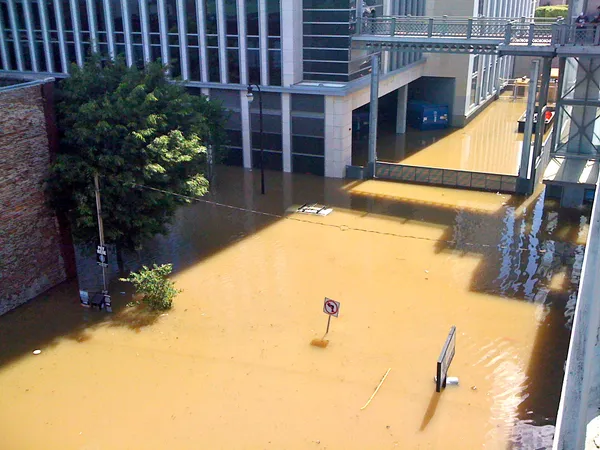
Break triggers localized flooding and access issues at the Capitol complex
A water main break at the Tennessee State Capitol complex in downtown Nashville caused street-level flooding and disruptions around the government campus, prompting a response focused on isolating the leak, managing runoff, and maintaining access for state operations and nearby properties.
The incident occurred in the immediate area surrounding the Capitol grounds, where water flowed across adjacent streets and into low-lying areas. In addition to visible flooding, the break created muddy conditions that complicated vehicle movement for some nearby residents and visitors and increased the risk of roadway damage as water moved under and across paved surfaces.
What typically happens during an urban water main break
Water main failures in dense downtown settings can produce two simultaneous challenges: loss of water service for nearby buildings and damage to transportation infrastructure. High-pressure water escaping below grade can undermine soil, create voids under pavement, and accelerate cracking or buckling—especially if the leak persists long enough to saturate road sublayers.
In the Capitol area, the main concern during the initial response is usually to isolate the affected segment quickly to limit property impacts while maintaining service to the broader network. That process can involve closing valves, rerouting traffic around flooded pavement, and coordinating safe work zones in an area with high pedestrian and vehicle activity.
Potential impacts for government offices and nearby buildings
Water incidents near major public buildings can affect more than drinking water. Depending on where the break occurs and how water migrates, impacts can include:
- Temporary service interruptions or pressure reductions in surrounding blocks
- Basement or lower-level flooding in adjacent structures
- Short-notice changes to building access points due to pooling water or debris
- Traffic restrictions around repair zones, especially where equipment excavation is required
Even after water flow is stopped, recovery often includes pumping and cleanup, inspection of nearby pavement for subgrade erosion, and restoration of disturbed sidewalks, lawns, or landscaped areas on public grounds.
How repairs are assessed and what comes next
After a main is isolated, crews generally confirm the failure point, repair or replace the damaged section, and conduct system checks before restoring full service. Where flooding has reached streets and building perimeters, agencies typically evaluate whether additional stabilization or repaving is required to prevent later sinkholes or surface collapse.
Urban water main breaks are usually treated as both a utility repair and a transportation safety issue, because undermined pavement can fail after the visible water has receded.
Officials have not released a detailed public timeline for completion in the immediate aftermath, but the practical sequence is consistent: isolate, repair, restore service, then address roadway and site restoration. Motorists and pedestrians should expect intermittent restrictions near the Capitol complex while crews complete repairs and inspect surrounding pavement.