Water emergency declared in Nashville, North Carolina, after multiple main breaks cut regional supply lines
What happened and why it matters
A water emergency was declared Tuesday, Feb. 3, 2026, in Nashville, North Carolina, after a series of major water main breaks disrupted the town’s primary supply and forced officials to urge immediate conservation. The interruption affects system-wide pressure and can lead to intermittent outages across the community, particularly during periods of high demand or when storage tanks cannot be replenished.
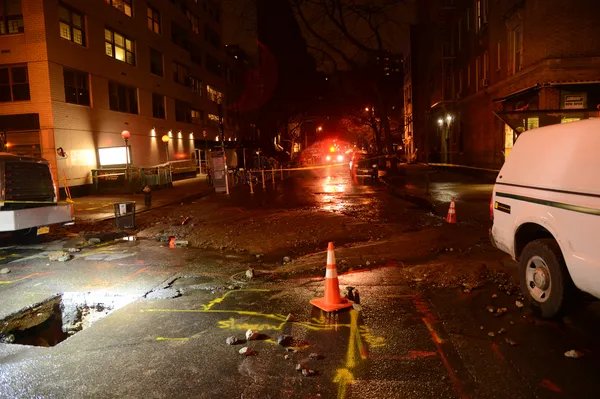
The emergency stems from two simultaneous problems: multiple major breaks in Rocky Mount—Nashville’s upstream supplier—and a separate break within Nashville’s own distribution network. Together, those failures prompted a shutdown of supply into Nashville’s system, raising the risk of low pressure or no service across town.
Scope of the disruption
Town communications indicated Rocky Mount was dealing with five major water main breaks. When an additional break occurred locally in Nashville, the combined impact halted inflow to Nashville’s network. In practice, a supply cutoff can affect more than household taps: pressure drops can also complicate fire protection capacity, disrupt commercial operations, and slow recovery because utilities must isolate damaged segments, repair infrastructure, and then carefully restore normal system pressure.
Conservation directives for residents and businesses
Officials urged residents to use as little water as possible until further notice and to avoid non-essential consumption that quickly drains system storage. The recommended steps included limiting:
- laundry and dishwasher use
- unnecessary flushing
- car washing and lawn watering
- long showers and other high-volume uses
These measures are intended to stabilize remaining capacity, preserve pressure for essential needs, and reduce stress on a system operating without normal replenishment.
How utilities typically restore service after multiple main breaks
Water main failures require crews to isolate affected pipe segments, excavate and repair or replace damaged sections, and then conduct a controlled return to service. That restoration commonly includes flushing and pressure management to reduce the chance of follow-on breaks, which can occur when cold-weather ground shifts, traffic loads, or pressure changes strain aging infrastructure.
Residents were warned they may experience low pressure or townwide outages and were asked to conserve “until further notice.”
What comes next
Town leaders said an updated status will be provided as additional information becomes available. In the meantime, the conservation guidance remains the main operational tool available to residents to help maintain system stability while upstream and local repairs continue.
For households, the immediate practical implication is planning around uncertain water availability—keeping essential use to a minimum and anticipating short-notice pressure fluctuations as repairs progress and supply is gradually reintroduced.