Two Meteorologists Join Nashville’s Severe Weather Awareness Day, Highlighting Tornado and Flood Preparedness Efforts
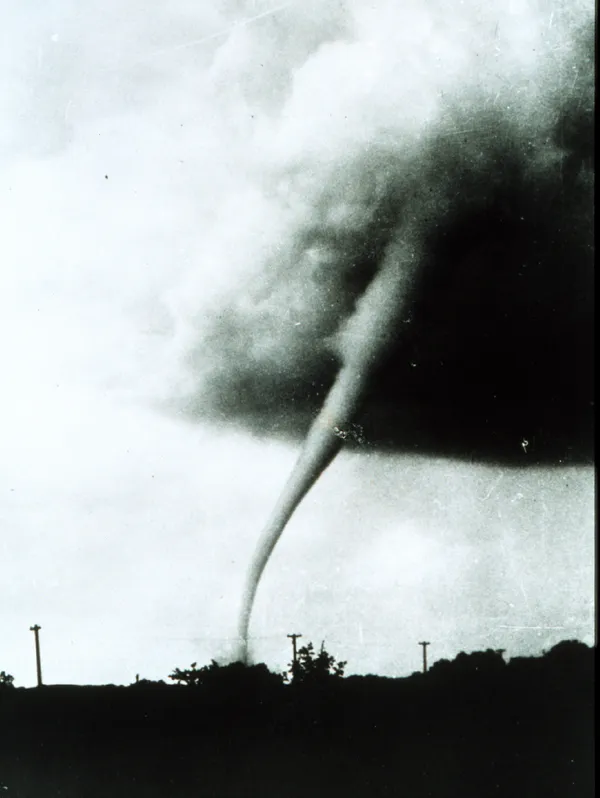
Annual Nashville event caps Tennessee Severe Weather Awareness Week
Two television meteorologists are scheduled to attend Severe Weather Awareness Day in Nashville, a public preparedness event timed ahead of the region’s peak spring severe weather season. The daylong workshop is set for Saturday, Feb. 21, 2026, at Trevecca Nazarene University’s Boone Business Center on Murfreesboro Road.
The program serves as the culminating event of Tennessee Severe Weather Awareness Week, which runs Feb. 15–21. The week’s daily themes focus on practical preparedness topics, including planning ahead, flash flooding, lightning safety, tornado safety, severe thunderstorm hazards, and tools for receiving forecasts and alerts.
What the event covers—and why timing matters
Severe Weather Awareness Day is designed to explain how warnings are issued and what actions residents should take when severe weather threatens. The schedule typically includes educational displays and demonstrations alongside presentations that address tornado safety, flash flood risk, and severe thunderstorm hazards, with an emphasis on household and workplace safety planning.
Organizers have promoted the event as family-friendly and open to weather enthusiasts of all ages, while also aiming to reach residents new to Middle Tennessee who may be unfamiliar with local hazards and warning practices.
Preparedness emphasis: redundancy in alerts and clear shelter plans
Emergency guidance for severe weather consistently stresses two basics: know where to go and how you will be warned. Local emergency management messaging has urged residents to maintain multiple ways to receive alerts, including ensuring wireless emergency alerts can reach phones and keeping backup power available for devices during outages.
NOAA Weather Radio remains a core tool in preparedness planning because it can deliver warnings rapidly, including during power failures when battery-backed receivers are used. Programming details—such as correct frequency selection, battery maintenance, and location-specific alert settings—are frequently highlighted as practical steps that determine whether a device will sound when a warning is issued.
- Confirm a tornado “safe place” at home, work, and school (lowest interior space, away from windows).
- Plan for flash flooding by avoiding travel routes that cross flood-prone roads.
- Maintain multiple alert paths, including phone alerts and weather radio, to reduce single-point failures.
Preparedness campaigns in Tennessee commonly emphasize that severe weather can develop quickly and may occur overnight, making advance planning and reliable alerts essential.
Local context: severe weather impacts remain a recurring regional risk
Middle Tennessee’s hazard profile includes tornadoes, damaging straight-line winds, lightning, and flooding. Recent years have also brought deadly flooding incidents elsewhere in the state, underscoring the broader risk from heavy rain events. The Nashville workshop is intended to translate that risk into concrete actions residents can take before spring storms arrive.