Storm Debris Remains Across Nashville Neighborhoods as Another Round of Severe Weather Approaches Middle Tennessee
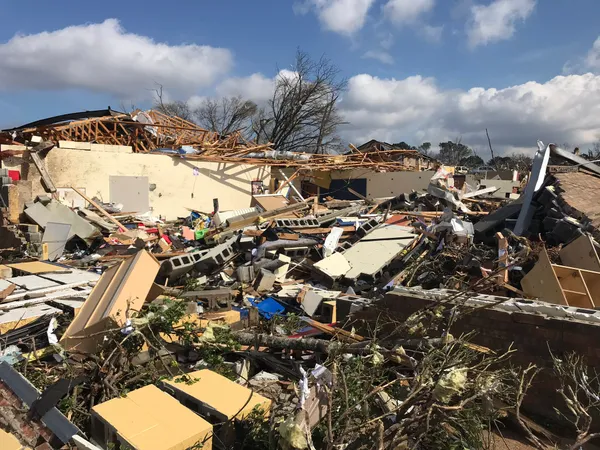
Cleanup from January’s ice storm is still underway as the region returns to an active spring-weather pattern
NASHVILLE — Large piles of storm debris remain along curbs and in public rights-of-way across parts of Nashville weeks after the late-January ice storm, even as Middle Tennessee heads into a period when additional storms are more likely. City operations have shifted from emergency response—restoring access and power—to the slower, logistics-heavy work of removing downed trees and limbs that accumulated across neighborhoods and parklands.
Metro departments have treated the remaining debris as a citywide collection effort rather than routine brush pickup. Public messaging in recent weeks has focused on keeping vegetation debris staged at the curb to enable collection as crews reach each street. The continuing volume has also been reflected in public updates showing where pickup activity is concentrated, an effort intended to set expectations and guide residents waiting for service.
Metro’s recovery work has centered on road clearance and debris staged in the public right-of-way, while debris on private property remains the responsibility of property owners.
Several factors have complicated the cleanup timeline. First, the ice storm produced widespread tree damage across the city, generating an unusually large amount of vegetation debris. Second, collection requires specialized equipment and staging locations, creating bottlenecks when neighborhoods generate more debris than normal brush routes can absorb. Third, the city’s sanitation system has simultaneously been transitioning to a new trash and recycling schedule, adding operational complexity during a period when residents are already navigating disrupted routines.
What residents are being asked to do—and what to avoid
- Stage storm-related limbs and branches at the curb in the public right-of-way, keeping sidewalks, fire hydrants, and storm drains clear.
- Separate vegetation debris from construction materials and household trash so loads can be processed efficiently.
- Avoid placing debris where it could wash into drainage infrastructure during heavy rain.
Volunteer efforts have also been organized to help residents who cannot move heavy debris to the curb, with structured signups aimed at accelerating assessments and helping direct assistance to the highest-need areas.
Why incoming storms matter for an unfinished cleanup
With debris still lining many streets, new storms can create secondary hazards: high winds may scatter loose piles into roadways; heavy rainfall can carry smaller debris into gutters and inlets; and saturated ground can increase the risk of additional tree failures, adding to the workload. City agencies have emphasized maintaining clear access for collection trucks and emergency vehicles as weather conditions change.
For Nashville, the immediate question is not whether debris will be removed, but how quickly collection can be completed before additional storm cycles generate new material. The city’s progress over the coming weeks will depend on weather windows that allow crews to operate at full capacity and on residents’ ability to keep debris staged safely and accessibly until pickup occurs.