Staffing Shortage Forces Temporary Shutdown and Flight Reductions at Nashville International Airport Control Tower
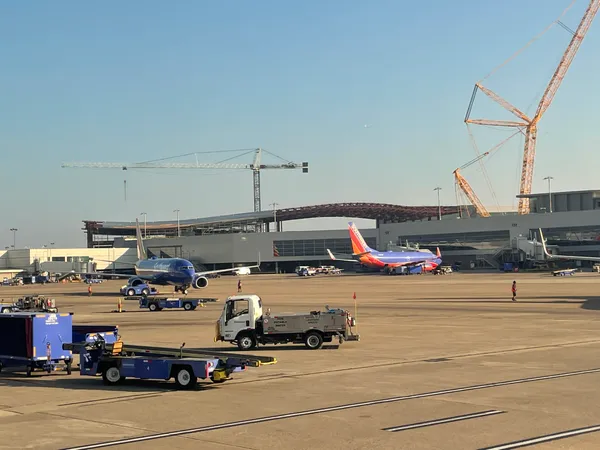
What happened at BNA
Nashville International Airport (BNA) faced significant operational disruption in October 2025 when air traffic control staffing constraints triggered a temporary interruption of tower services and a reduction in the number of flights the airport could safely handle.
On October 7, 2025, federal air traffic managers reduced the rate of arrivals and departures at BNA after airport officials were notified early afternoon that available staffing levels could not support normal traffic volumes. Flight impacts accumulated through the evening. By the next morning, October 8, staffing levels had returned to normal and the flow restrictions were lifted.
Measured impacts on flights and passengers
During the October 7 disruption, average delays for some flights bound for Nashville reached more than two hours. Airport operations data showed widespread delays affecting both arrivals and departures. In total, the disruption impacted tens of thousands of passengers across the afternoon and evening peak travel periods.
- Flow restrictions were implemented mid-afternoon and continued into the late evening.
- Delay severity increased as the day progressed, reflecting reduced throughput at the airport.
- Normal operations resumed the following morning once staffing returned to expected levels.
Why staffing can reduce capacity without closing the airport
Air traffic control staffing levels directly determine how many aircraft can be sequenced safely into and out of a busy airport. When staffing falls below required levels—whether from unplanned absences or longer-running shortages—air traffic managers typically respond by slowing the “arrival rate” and spacing out departures. The result is a ground delay program, longer taxi queues, and missed connections, even if weather and runways are otherwise operating normally.
In these scenarios, the objective is to keep operations within safety margins while minimizing disruption, which often means delaying flights rather than stopping them outright.
How the Nashville disruption fit a national pattern
The Nashville slowdown occurred amid broader nationwide strain on the air traffic controller workforce. In recent years, federal workforce planning documents and labor statements have pointed to a system that remains short of targeted staffing levels while training pipelines require years to produce fully certified controllers. Industry-wide, the combination of retirements, training attrition, and high demand has left many facilities reliant on overtime and compressed schedules.
In October 2025, the situation was compounded by the effects of a federal government shutdown, which introduced additional pressure on staffing reliability at multiple airports and air traffic facilities across the country, leading to flow restrictions at a number of major travel nodes.
What travelers should watch for going forward
For passengers, the practical signal is not only a posted delay at the gate but also the issuance of national air traffic management initiatives that can ripple across airline networks. When throughput is reduced at a fast-growing airport like BNA, delays can spread to inbound aircraft rotations and connections across the national system.
Airport and airline operations can return to normal quickly once staffing stabilizes, but recurring disruptions remain possible when the underlying workforce constraints persist.