Small Nashville Businesses Face Slow Post-Storm Recovery After January 2026 Ice, Outages, and Closures
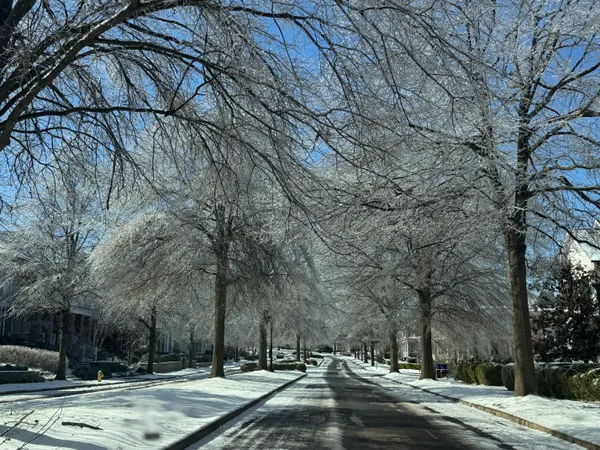
Extended outages and lost operating days compound winter pressures
Many small businesses across Nashville entered late January already in a seasonally slower period, then faced additional disruption when Winter Storm Fern brought ice accumulation, hazardous travel conditions, and widespread power outages. The storm’s impact extended beyond a single day of closures: prolonged loss of electricity and limited customer mobility reduced sales, interrupted staffing, and forced some operators to discard temperature-sensitive inventory.
Nashville Electric Service reported outages peaking at roughly 230,000 customers within its service area, while statewide power interruptions peaked above 315,000. Restoration stretched into early February, with published estimates indicating that some neighborhoods would not be fully restored until the second week after the storm. For storefronts, restaurants, bars, and music venues, that timeline translated into missed revenue during days when utilities, suppliers, and customers were unevenly able to return.
Restaurants, venues, and retailers report weeklong revenue gaps
Independent restaurants and music venues were among the most exposed to the storm’s aftereffects. In addition to temporary closures, operators had to manage food spoilage, cleaning and repairs after freeze-related issues, and inconsistent staffing when employees were also dealing with outages at home. Several businesses urged customers to support recovery through purchases scheduled for later dates, including advance tickets and similar “buy now, redeem later” approaches designed to stabilize cash flow.
Retailers and service providers faced related challenges. Interrupted payment systems, limited refrigeration, and reduced foot traffic made it difficult to operate even when doors could open. For businesses with thin margins, the combination of fixed costs and a sudden loss of income can create immediate short-term liquidity problems.
City response focuses on stabilization and recovery resources
Metro government activated emergency measures during the storm period, including a local emergency declaration issued on January 25, 2026. In early February, city agencies began returning to regular operations while maintaining recovery-oriented services and guidance. Metro Action reported reopening its facilities beginning February 2, emphasizing ongoing household challenges such as missed work and financial strain following the storm.
Local recovery information was consolidated through city resource pages that included updates on shelters, food assistance, waste and debris collection, downed trees, and other post-storm needs. While these services are primarily resident-facing, they also affect small businesses by accelerating neighborhood stabilization and the return of basic operating conditions.
Utility restoration scrutiny and mutual-aid staffing scale-up
As restoration continued, city and federal officials publicly pressed for detailed explanations of preparedness, communications, and response timelines. NES also increased staffing through mutual-aid and contracted support, reporting more than 1,100 lineworkers from multiple states working in the region during the restoration period.
Key pressures small businesses cite after Winter Storm Fern
- Lost operating days and reduced customer traffic during closures
- Inventory losses tied to power outages and refrigeration failures
- Ongoing fixed costs, including rent and payroll, despite reduced revenue
- Delayed reopening caused by home outages affecting owners and staff
- Uncertainty around restoration estimates, deliveries, and staffing availability
Recovery has followed an uneven timeline: even as some corridors reopened quickly, other neighborhoods continued to face outages and access issues that slowed a return to normal commerce.
Community events aim to direct spending toward independent venues
Tourism and music-sector organizations scheduled winter programming intended to channel support toward independent stages and local artists, including a one-day multi-venue event set for February 7, 2026. Organizers positioned the timing during a traditionally quieter season, aligning with a period when many small operators were working to rebuild cash flow after the storm.
For many neighborhood businesses, the near-term outlook hinges on how quickly consistent utilities, consumer traffic, and workforce availability return—and whether short-term assistance and community spending can bridge the revenue gap created by the prolonged disruption.