Rising fuel and food costs tighten margins for Nashville food trucks amid ongoing inflation pressures
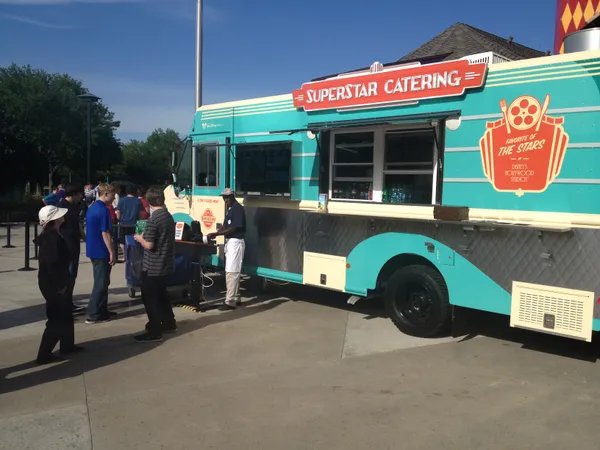
Operating costs rise as mobile vendors balance pricing, routes, and compliance
Nashville’s food truck operators are contending with a cost mix that is moving in opposite directions: gasoline has been volatile but, on broad measures, has recently been running below year-ago levels, while food costs tied to restaurant meals have continued to climb. The combination matters for a sector where margins can be thin, trips to commissaries are routine, and pricing is constrained by what customers will pay for quick-service meals.
Inflation data released in February for January 2026 showed food away from home—an index that tracks prices for meals purchased at restaurants, cafeterias, and similar outlets—continuing to increase, while the gasoline index declined month over month. In practical terms for food trucks, ingredient and packaging costs can trend upward even when per-gallon fuel prices ease for stretches, leaving operators exposed to both supply costs and day-to-day swings in driving expenses.
Fuel costs shape where and when trucks can profitably operate
For mobile vendors, fuel expense is not limited to service runs; it is embedded in the entire business model. Trucks often make repeated trips for:
- commissary access and food prep,
- ice, propane, and cleaning supplies,
- moving between lunch and dinner service locations, and
- catering and private events that may be outside core neighborhoods.
Statewide tracking in Tennessee in January 2026 placed the average regular gasoline price at about $2.49 per gallon, down from a year earlier. Even with that year-over-year relief, operators remain vulnerable to local spikes and sudden weekly changes, which can quickly turn an otherwise strong sales day into a break-even shift—especially for trucks that run generators, refrigeration, and other power-intensive equipment.
Food-cost inflation remains a steady squeeze
Unlike fuel, which can fall as well as rise, food costs for prepared meals have shown more persistent upward movement. National CPI figures for January 2026 reflected continued gains in food-related categories, with restaurant inflation remaining a key driver for businesses that sell ready-to-eat meals. For food trucks, higher input costs can show up in proteins, cooking oils, dairy, and disposable items, and are difficult to offset without either raising menu prices, reducing portions, or revising menus.
Food trucks operate at the intersection of retail food inflation and transportation costs, with limited ability to spread fixed expenses across multiple dining rooms or service lines.
Rules, permits, and commissary requirements add fixed costs
In Nashville and Davidson County, operators must also plan for compliance costs that do not decline when sales slow. Metro public materials on mobile food units outline plan review and permitting steps and require a commissary agreement for many operations. Separate rules apply for vending on certain public properties and in regulated right-of-way locations, including downtown pilot-program permitting and associated fees. Fire-related operational permitting requirements also apply to mobile cooking operations.
What owners can control—and what they can’t
In response to the squeeze, trucks typically focus on operational levers that can be measured quickly: consolidating service stops, tightening inventory to reduce waste, and shifting toward menu items with more stable input costs. The larger forces—food inflation and fuel market volatility—remain outside individual operators’ control, making cost tracking and route planning as consequential as the menu itself.