Restore Nashville recovery effort expands as volunteers work through about 1,300 storm debris requests citywide
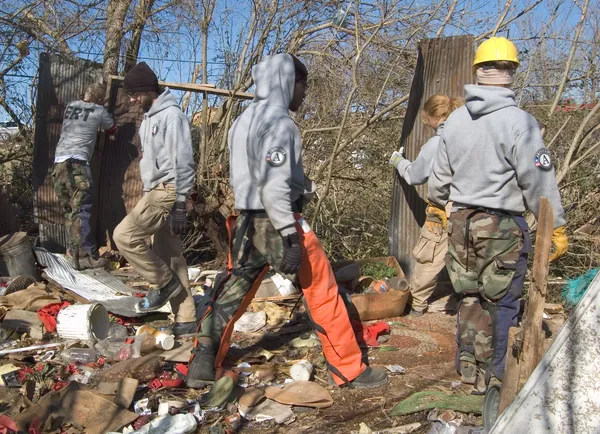
Volunteer deployments intensify as Nashville shifts from emergency response to neighborhood-by-neighborhood cleanup
Nashville’s post-storm recovery operation has entered a more labor-intensive phase, as volunteers and Metro crews work to address roughly 1,300 debris-related service requests logged across the county. The workload reflects a common pattern after major winter weather events: immediate life-safety needs stabilize first, while the slower process of clearing vegetation, damaged materials, and blocked access points can take weeks.
The city’s coordinated recovery framework—branded “Restore Nashville”—has emphasized two parallel tracks: public-works collection of storm-generated vegetation debris from residential areas and volunteer-supported efforts to move and sort debris so it can be safely collected. Recent city updates have also noted that the local state of emergency in Davidson County was allowed to expire on Sunday, Feb. 8, as safety concerns from the January winter storm eased and recovery activities transitioned into a longer-term posture.
How debris requests are being handled
Metro transportation crews began countywide residential vegetation debris collections on Tuesday, Feb. 3, with plans for multiple sweeps over an estimated two-to-four-week period. In operational terms, that means residents may see repeated pass-throughs rather than a single pickup date, as the city prioritizes heavily impacted areas and continuously updates routes based on demand and access conditions.
Volunteer participation is being organized through an established disaster-relief model that routes residents’ needs through a centralized system and then matches trained or supervised teams to specific tasks. Hands On’s debris-removal opportunities have focused on sorting material placed on the right-of-way into appropriate piles to enable more efficient pickup. Safety requirements and restrictions—including minimum age limits and protective gear guidance—have been built into the volunteer deployment process.
Key constraints shaping the pace of cleanup
Right-of-way versus private property: Metro collections are designed for debris placed at the curb/right-of-way; private streets and certain satellite cities within Davidson County have different service arrangements.
Equipment and access: Downed limbs and unstable trees can require specialized tools and careful sequencing before removal, particularly when heavy equipment or utility work is active nearby.
Volume management: Multiple passes, temporary staging, and prioritization help manage surges in debris volume, but they also mean residents may experience uneven timing across neighborhoods.
Recovery operations depend on accurate reporting of needs, safe staging of debris, and coordinated routing of both volunteers and collection crews.
What residents can do now
Residents seeking assistance have been directed to use Nashville’s established customer-service pathways and disaster-support channels, including the city’s service request system and the regional 2-1-1 help line used to connect households with recovery resources. Officials have repeatedly advised residents not to self-deploy into impacted areas without registration and coordination, a standard practice intended to reduce safety risks and prevent duplication of effort.
As the cleanup phase continues, the city’s ability to work through the remaining request backlog will likely depend on sustained staffing, safe volunteer participation, and efficient routing for repeated debris-collection sweeps across Davidson County.