Prince’s Hot Chicken and World Central Kitchen distribute free meals as Nashville recovers from major ice storm
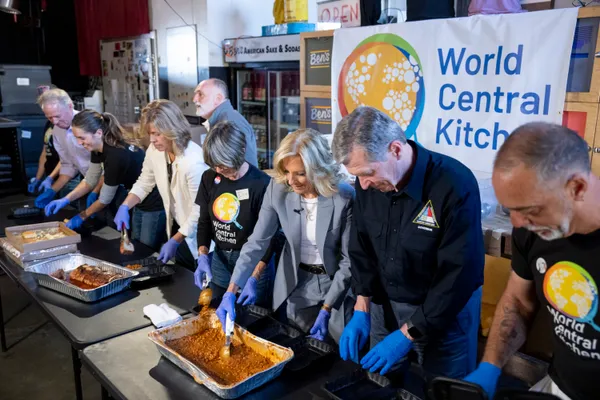
Free meal distribution expands as prolonged outages strain households across Nashville
Prince’s Hot Chicken, working alongside the disaster-relief nonprofit World Central Kitchen, served free meals to residents affected by a major January 2026 ice storm that triggered historic power outages across the Nashville Electric Service territory.
The meal distribution took place on Wednesday, January 28, 2026, at the Kroger in Germantown, where organizers said they expected to serve about 1,000 meals and planned to return the following day. The effort focused on residents dealing with limited access to cooking, refrigeration, and heat, as well as those facing transportation constraints during storm recovery.
Ice accumulation and infrastructure damage drove a large-scale outage
Nashville Electric Service reported that outages peaked at about 230,000 customers during the storm, the largest number of simultaneous outages in the utility’s history. In the days that followed, restoration continued as crews worked through widespread damage that included numerous broken poles and downed lines amid fallen trees and ice-laden vegetation. City and utility updates during the response emphasized safety risks around downed power lines and urged residents to avoid calling emergency lines for non-emergency outage reporting.
By early February, city leaders publicly pressed for clearer crisis communication and restoration timelines as some customers continued to wait for power restoration. The disruptions also contributed to extended school closures and increased demand for warming options and temporary shelter.
How restaurant-based relief fits World Central Kitchen’s model
World Central Kitchen, founded in 2010 by chef José Andrés, is known for deploying teams that partner with local restaurants and chefs to provide hot meals during disasters. The approach is designed to speed meal production, support local food businesses, and deliver familiar food quickly in communities facing infrastructure breakdowns.
In Nashville, the partnership with a locally rooted hot chicken institution illustrates how established kitchens can be adapted to emergency feeding needs. Organizers at the Germantown site indicated there were no strict limits on meal quantities per person, reflecting a strategy aimed at reducing barriers for households juggling multiple immediate needs.
What residents can expect as recovery continues
- Meal distributions may be staged near high-traffic retail locations where residents can access food without entering formal shelter settings.
- Demand typically rises when outages persist beyond several days, as perishable food is lost and home cooking becomes difficult.
- Public safety messaging remains central during restoration, particularly regarding downed lines and blocked roadways.
As Nashville moves from emergency response toward restoration, the scale of outages and the duration of disruptions have made food access a key pressure point—one increasingly met through collaborations between relief organizations and local businesses.