Percy Warner Park to reopen Saturday after ice storm cleanup, with some trail areas still closed
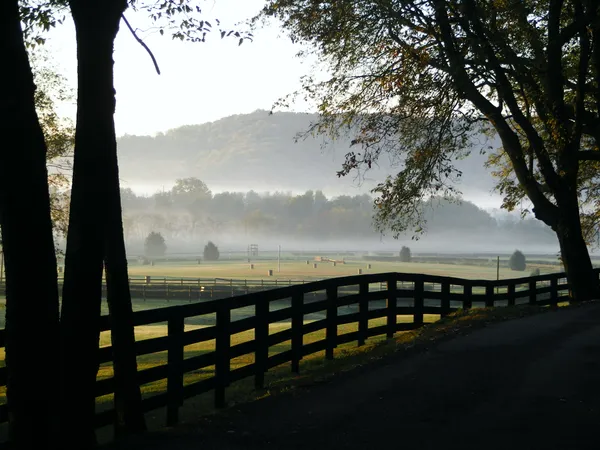
A major Nashville park returns to public access after weeks of storm-related closures
Percy Warner Park is scheduled to reopen to the public on Saturday, March 21, marking a key step in Nashville’s recovery from Winter Storm Fern and its widespread damage to trees and park infrastructure. The reopening follows weeks of hazardous conditions that led officials to restrict access while crews worked to remove downed trees and stabilize areas used by hikers, runners, and equestrians.
The park is part of the broader Warner Parks system, one of Nashville’s largest natural areas and a high-traffic destination for outdoor recreation. Metro Nashville parks officials have previously reported extensive tree loss across the city’s park system after the storm, with a significant portion of downed trees concentrated in the Warner Parks.
What will be open, and what will remain off-limits
Upon reopening, public access is expected to resume across the park’s primary trail networks, including paved routes and horse trails. Picnic shelters are also expected to be available for use as normal park operations restart.
Some sections will remain closed due to ongoing cleanup and safety concerns. Areas that are expected to remain off-limits include:
- Mountain-bike trails
- Vaughn’s Creek Cross Country Course
- Burch Reserve
Metro’s closures list has continued to flag Percy Warner Park and the Vaughns Gap Cross Country area as closed during the recovery period, reflecting the scale of work required and the risks posed by unstable trees, hanging limbs, and active debris operations. Even with a reopening, officials have repeatedly emphasized that visitors should respect any posted closures and avoid entering work zones.
Why the cleanup timeline has been complex
Storm recovery at large urban parks is not limited to clearing visible trail blockages. Park partners have described a process that includes damage documentation, professional tree removal, and safety assessments—work that has to proceed methodically in heavily wooded areas and along popular corridors. In addition, debris work in public parks can require careful tracking to support eligibility for disaster recovery assistance, adding procedural steps to on-the-ground operations.
Park access is returning in phases as crews clear hazards and stabilize areas impacted by widespread tree damage.
What visitors should expect this weekend
With the park reopening on March 21, visitors should expect a landscape that still reflects storm impacts, including changed trail-side conditions and ongoing restoration activity in select areas. Users can reduce risks by staying on open routes, following signage, and giving workers and equipment a wide berth where cleanup is still underway.
Additional updates are expected as restoration continues and more of the park’s specialized trail systems return to service.