Pedestrian crash shuts I-24 West to I-65 South ramp in Nashville, triggering evening traffic disruption
What happened and where the closure occurred
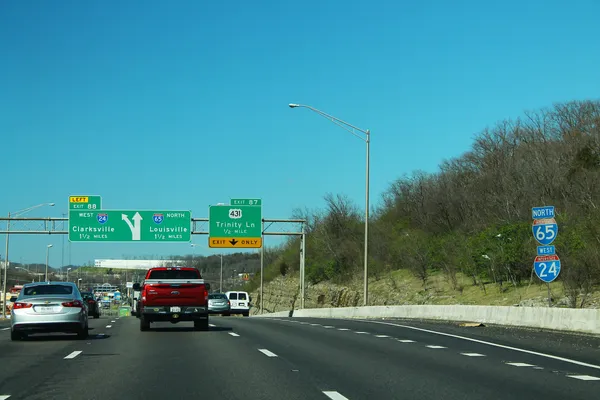
A crash involving a pedestrian prompted the closure of a key connector ramp in central Nashville on Wednesday night, interrupting traffic flow from Interstate 24 West to Interstate 65 South. The incident was reported to have occurred at about 7:36 p.m., and the ramp was shut down as emergency response activity unfolded.
The affected ramp is a critical link for drivers moving between two of the region’s most heavily traveled interstate corridors, particularly during evening travel hours. With the connector closed, motorists were forced to reroute to alternate exits and surface streets, contributing to congestion patterns that often spread beyond the immediate interchange area.
Response priorities: scene safety, medical care, and investigation
When a pedestrian is involved in a crash on an interstate facility or an interchange ramp, the response typically requires multiple steps that can prolong closures: securing the scene to prevent secondary crashes, providing medical care, documenting evidence, and coordinating tow and cleanup operations. In incidents involving serious injury or death, investigators generally conduct additional reconstruction work to determine contributing factors such as visibility, driver actions, and roadway conditions.
Interstate ramps and interchange zones are among the most complex roadway environments for both drivers and first responders, as traffic merges, diverges, and changes speed in short distances.
Why ramp closures can have outsized traffic effects
Even when the mainline lanes of an interstate remain open, closing a high-volume connector ramp can create cascading delays. Drivers who would normally transition from I-24 West to I-65 South may instead divert to nearby exits, increasing demand on adjacent interchanges and feeder roads. Traffic impacts often extend into surrounding neighborhoods and commercial corridors as navigation apps steer vehicles toward the fastest available alternatives.
Connector ramps concentrate large traffic volumes into a single decision point, limiting redundancy when a closure occurs.
Detours may shift congestion to surface streets not designed for sustained interstate-level volumes.
Emergency response and investigative work can require lane-by-lane access, restricting how quickly normal operations resume.
What remains unknown
Key details were not immediately available in public-facing summaries, including the pedestrian’s condition, whether any driver remained on scene, and the timeline for reopening. No official cause for the crash was confirmed in the initial report, and no information was provided regarding citations or potential charges.
Drivers traveling through the I-24 and I-65 interchange area are typically advised to anticipate sudden slowdowns during incident response and to use extra caution near ramps and gore areas, where vehicles change lanes and speeds and where pedestrians are at heightened risk.