New staffing details show Nashville’s Metro 911 sometimes operates with minimal call-answering coverage during peak demand
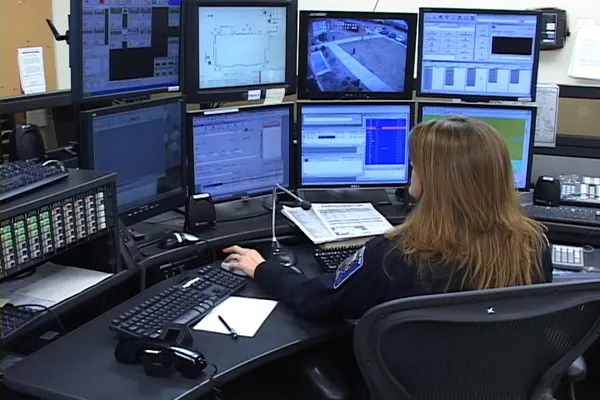
Reports highlight thin staffing on some shifts at Metro’s emergency call center
Newly surfaced staffing information indicates Metro Nashville’s 911 operation has, at times, handled emergency call-answering duties with a limited number of employees on the floor. The disclosures focus attention on how staffing levels can shape how quickly emergency calls are answered and routed to police, fire, and medical responders.
Nashville’s 911 and dispatch functions are managed by the Department of Emergency Communications (DEC), which operates the city’s emergency communications center. DEC’s public-facing materials describe a workforce of 245 personnel supporting round-the-clock operations, though that figure covers the department broadly and does not, by itself, specify how many positions are actively working phones and radios on a given shift.
What the public record shows about performance and workload surges
City communications and meeting updates show the system’s performance can vary by circumstance. During major demand spikes, the center has emphasized call-answer benchmarks as a key measure of operational strain, particularly during holidays and severe weather. For example, DEC has publicly described meeting national benchmarks for prompt call answering during large-scale events, including Independence Day periods with thousands of calls over a 24-hour window.
At the same time, city leaders have acknowledged that call volume can surge abruptly during storms and tornado warnings, and that non-emergency use of 911 can increase workload when the public seeks information rather than reporting life-threatening emergencies. In those situations, the center may face simultaneous pressures: higher inbound calls, complex triage decisions, and the need to preserve capacity for immediate threats to life and safety.
Workplace conditions and retention questions have entered Metro Council discussions
Metro Council members have also examined operational stability through the lens of workforce retention and workplace climate. In 2025, members of a Metro Council caucus sought answers about management and employee concerns within the emergency communications department, describing accounts of inconsistent policies and workplace stress. City officials referenced prior assessments of office culture and steps such as coaching and outside consulting support.
Emergency communications work is inherently high-stress, and city discussions have increasingly linked staffing stability to retention, training pipelines, and workplace conditions.
Budget and staffing moves underway
Metro’s proposed fiscal year 2026 budget plan included additional investment for the emergency communications department, with funding and added staff positions intended to strengthen 911 operations. Separately, Metro has continued to steer non-urgent requests toward hubNashville and the 311 system, positioning those channels as a way to reduce pressure on 911 call takers by diverting issues that do not require immediate emergency response.
Key factors shaping how quickly emergency calls connect
Staffing by shift: the number of trained call takers and dispatchers available at a given hour can determine how quickly calls are answered and processed.
Demand spikes: storms, citywide events, and holiday weekends can generate sudden call surges.
Non-emergency traffic: informational calls and nuisance complaints can compete for the same call-answering capacity.
Retention and training: turnover can create experience gaps and increase overtime demands for remaining staff.
Metro’s emergency communications center remains a critical entry point to public safety response. The latest staffing concerns add urgency to ongoing discussions over recruiting, retention, and how the city routes non-emergency needs away from 911 while preserving rapid access for true emergencies.