Nashville’s Urban Forest Strike Team documents Winter Storm Fern tree-canopy losses and post-storm safety risks citywide
Field assessments begin to quantify storm-driven tree damage
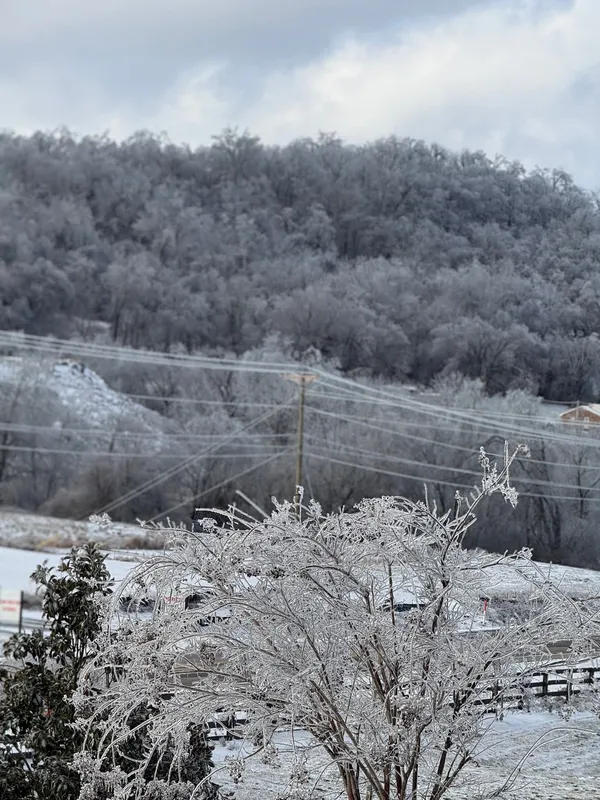
Nashville’s recovery from Winter Storm Fern has entered a new phase focused on measuring the extent of damage to the city’s urban canopy and identifying ongoing public-safety hazards from weakened trees. On March 7, 2026, an Urban Forest Strike Team worked alongside state forestry officials and Metro personnel to document storm impacts and collect standardized data intended to support cleanup planning and longer-term mitigation efforts.
Winter Storm Fern struck Middle Tennessee between January 23 and January 26, 2026, bringing snow, ice and prolonged freezing temperatures that led to widespread tree failures, blocked roadways and extensive power outages. The scale of downed limbs and structurally compromised trees has been a recurring issue across neighborhoods, parks and rights-of-way, complicating restoration work well after temperatures moderated.
Parks, neighborhoods and infrastructure face prolonged impacts
The damage footprint has extended across public green space as well as residential streets. Metro Parks crews have carried out post-storm inspections and reopenings, while also reporting significant losses of trees within the parks system. Separate reports from within Nashville’s Warner Parks highlighted extensive tree fall and continuing trail hazards that delayed full public access in some areas.
Beyond recreation areas, storm-driven tree damage also intersected with critical infrastructure. Nashville Electric Service described Fern as producing one of the largest outage events in its history, with restoration complicated by fallen trees and branches contacting lines. In response to continuing concerns over vegetation-related vulnerability, the utility announced changes to its vegetation management strategy after the storm.
Why a “strike team” approach matters
Urban Forest Strike Teams are designed for rapid, consistent post-disaster tree assessment. They typically deploy trained arborists and urban forestry specialists using common field methods to record tree damage, evaluate risk, and support mapping and reporting. That framework is intended to help local governments prioritize removals, target high-risk corridors, estimate debris volumes, and plan replanting or canopy recovery strategies over multiple years.
What residents are being asked to do during debris removal
Metro’s transportation agency has expanded storm-related vegetation removal and urged residents who are moving debris to remain alert to unstable limbs and leaning branches, which can remain dangerous long after the initial weather event. Officials have directed non-emergency street issues into the city’s standard reporting channels to support routing and work-order prioritization.
- Report hanging limbs or leaning trees that threaten streets or sidewalks.
- Follow local instructions for storm debris set-out and collection schedules.
- Avoid working beneath damaged canopy limbs, especially during wind or rain.
The strike-team data collection underway in early March is expected to inform both immediate hazard reduction and longer-term canopy restoration decisions following Fern’s widespread ice-driven tree damage.
What comes next
With assessments continuing, Nashville’s challenge is twofold: accelerating removal of hazardous vegetation while preserving and restoring canopy benefits that influence heat, stormwater management and neighborhood livability. The records compiled in the field are expected to shape operational priorities for the coming months, including where cleanup resources are concentrated and how replanting strategies are designed for resilience against future ice events.

Student-Run Coffee Shop at Harris-Hillman School Builds Job Skills for Nashville Students With Disabilities
Southwest flight from Nashville to Fort Lauderdale diverted to Atlanta after potential security concern, passenger removed
Saturday Night Lights: Nashville SC Ready for GEODIS Park Showdown