Nashville weighs zoning limits that could block new bars inside shopping-center districts across the city
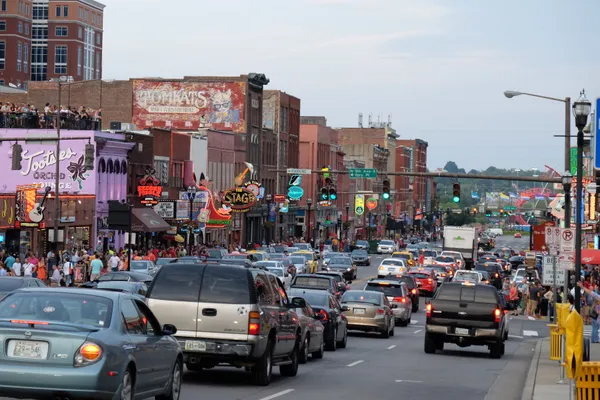
A zoning question with citywide implications
Nashville is considering changes that would restrict where future bars can open by tightening alcohol-related land-use permissions in shopping-center zoning districts. The issue is part of a broader pattern of zoning debates in which Metro officials are using land-use tools to shape the mix of businesses allowed near homes, schools, and established commercial corridors.
Under Nashville’s zoning framework, “shopping center” districts are distinct from other commercial categories and are designed around retail and consumer-service uses serving surrounding neighborhoods and broader market areas. The city lists three shopping-center zones—Shopping Center Neighborhood (SCN), Shopping Center Community (SCC), and Shopping Center Regional (SCR)—each intended for progressively higher-intensity retail development.
How Nashville regulates business types: overlays and text changes
City leaders have increasingly relied on two mechanisms to regulate business concentration and operating impacts: zoning overlays applied to specific corridors, and code-wide amendments that change what is allowed in certain zoning classifications.
One recent example is a proposed “Commercial Compatibility Overlay” for part of Buchanan Street, which would add limits on certain business types and impose operating standards, including restrictions tied to late-night activity and outdoor amplified sound. The overlay model is designed to be deployed in targeted areas rather than rewriting zoning rules citywide.
A separate approach—zoning text amendments—modifies the rules for entire categories of property. When applied to shopping-center districts, a text change can affect strip centers and larger retail complexes across Davidson County by adjusting what uses are permitted, prohibited, or allowed only with conditions.
What “banning bars in shopping areas” could mean in practice
If Metro adopts restrictions aimed at bars in shopping areas, the most direct effect would be on future applications: new establishments that primarily operate as bars could be disallowed in SCN, SCC, or SCR zones or be forced to meet additional conditions before approval. Existing businesses typically remain legal as “nonconforming” uses when rules change, but future expansions, renovations, or changes in use can trigger additional scrutiny under zoning and permitting processes.
Because shopping-center districts often sit close to residential neighborhoods, the debate frequently turns on predictable friction points: late-night noise, parking demand, lighting, and calls for service. Those concerns have also surfaced in corridor-level proposals that cite recurring quality-of-life complaints as justification for tightening rules on nightlife-oriented uses.
What happens next
Any citywide shift would move through Metro’s public process: planning staff review, Planning Commission consideration, and Metro Council votes. Public hearings allow residents and business owners to weigh in on how such limits might affect neighborhood retail centers, redevelopment plans, and the availability of entertainment-oriented venues outside downtown.
Key terms: “shopping center districts” (SCN, SCC, SCR) refer to zoning categories intended to accommodate retail and consumer services at different intensities, distinct from downtown’s separate zoning framework.
- Shopping-center zones are designed primarily around retail and consumer services, not nightlife concentration.
- Restrictions could apply prospectively to new bars, with existing businesses generally allowed to continue operating under established zoning principles.
- Metro can pursue limits via targeted overlays or broader zoning text amendments affecting entire zoning categories.