Nashville weighs a school-zone speed camera pilot as NDOT seeks Metro Council approval this summer
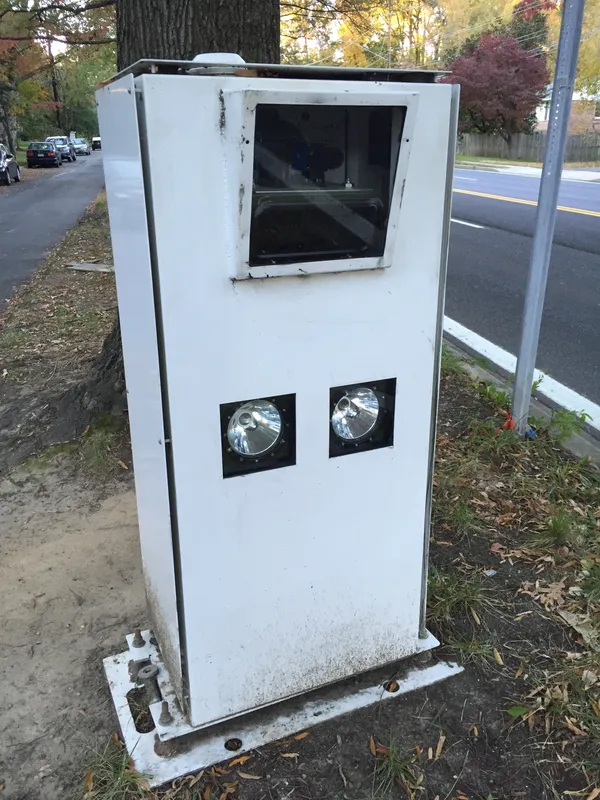
Proposal would introduce Nashville’s first automated speed enforcement, limited by state law to school zones
Nashville transportation officials are preparing a pilot program that could place speed enforcement cameras in selected school zones, a move that would mark the city’s first use of automated speed enforcement. The Nashville Department of Transportation and Multimodal Infrastructure (NDOT) has said it is still developing materials for community and Metro Council review, with the goal of having cameras installed for the upcoming school year.
The concept has been discussed publicly as part of Nashville’s Vision Zero work, the citywide traffic-safety framework adopted in August 2022. NDOT has also continued rolling out non-camera school zone improvements in recent years, including pavement markings, radar feedback signs, flashing beacons, and enhanced speed limit signage.
How enforcement could work, and why it is limited to school zones
Any Nashville program would be shaped by Tennessee law governing “unmanned traffic enforcement cameras.” State law generally prohibits the use of speed cameras to issue citations on public roads, with a key exception allowing speed enforcement cameras within a designated distance of a marked school zone. As presented in recent public discussions, NDOT expects any enforcement approach to involve Metro Nashville Police Department participation, including officer review of potential violations before warnings or citations are issued.
Because of these legal constraints, the proposal under consideration is focused on school zones rather than broader citywide speed enforcement or red-light cameras.
Decisions ahead: locations, operating rules, procurement, and privacy questions
NDOT has described the school-zone camera concept as an early-stage proposal. Several core elements have not been publicly finalized, including the initial locations, camera operating hours, warning periods, citation amounts, and how long data would be retained. NDOT has indicated it plans to bring information to the public and Metro Council as the proposal develops.
- Metro Council action is expected to be required before a pilot can move forward.
- A vendor selection and procurement process would follow policy approval, if Council authorizes the program.
- Program design would need to address privacy and data-handling practices, which have been central issues in other local debates involving camera technology.
NDOT has framed the pilot as a safety measure aimed at reducing speeding in high-risk areas near schools, while noting that other traffic-calming steps alone have not fully addressed the problem.
Regional context: other Tennessee cities have moved toward school-zone camera enforcement
Nashville’s deliberations come as other Tennessee jurisdictions have considered or approved automated enforcement in school zones. In 2025, Knoxville City Council approved measures to move forward with automated systems tied to its Vision Zero goals. Separately, the Tennessee General Assembly continues to consider proposals affecting how school-zone camera enforcement is implemented, underscoring that the regulatory environment remains active.
For Nashville, the next milestones are expected to be NDOT’s public rollout of pilot details and Metro Council consideration later in 2026.