Nashville Townhome Residents Challenge HOA Generator Restrictions After Ice Storm Leaves Wedgewood-Houston Without Power
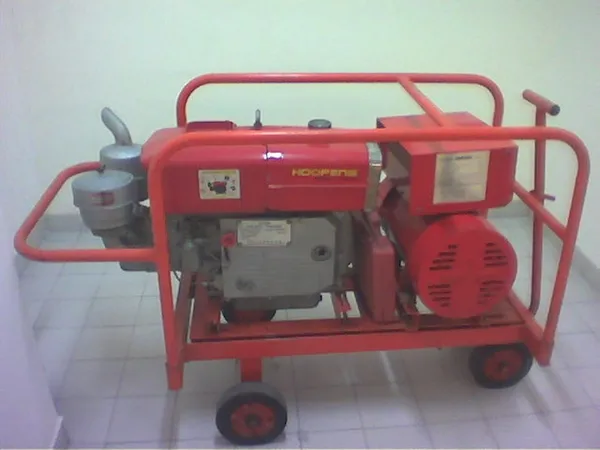
Generator dispute emerges amid prolonged outages
A Nashville family in the Wedgewood-Houston area says a homeowners association (HOA) directive briefly barred them from using a portable generator during a multi-day power outage following an ice storm that began Sunday morning, forcing the family to seek shelter elsewhere as indoor temperatures fell.
The residents, Talia Caravello and her family, said their townhome remained without electricity for days after the storm and that temperatures inside dropped to around 30 degrees. They purchased a generator and related supplies, including extension cords and space heaters, spending roughly $1,500 for the generator and additional money for accessories. The family said the generator was placed outside and used to supply limited power to help manage the cold conditions.
HOA warning cites safety and appearance concerns
Within hours of starting the generator, Caravello said she received an email from the HOA management company instructing the family to remove the generator immediately and warning that fines could follow if it remained in use. The message cited concerns including fire risk and compliance with community aesthetic guidelines.
The dispute highlights a recurring tension during extreme weather: the need for residents to maintain basic heat and safety during outages while multi-family communities enforce rules designed to manage shared risks, noise, and property standards.
Safety guidance emphasizes outdoor operation and ventilation
Metro Nashville emergency guidance on outages and winter weather warns that generators must be operated outdoors with proper ventilation to reduce the risk of carbon monoxide poisoning. City guidance also advises against storing fuel indoors, refueling a running generator, and connecting a generator directly into a home’s wiring, which can create a “backfeed” hazard for utility lineworkers. Officials also encourage the use of carbon monoxide detectors during generator use.
In practice, these safety requirements can collide with dense housing layouts—particularly condominiums and attached townhomes—where porches, walkways, and shared areas raise questions about placement, exhaust distance from doors and windows, and neighbor impacts such as noise.
Board grants temporary exception during outage
After the family raised concerns publicly and sought clarification, the HOA board ultimately approved a one-time, temporary exception allowing the generator’s use until power is restored. In a written statement from the property manager, the board characterized the setup as unapproved and improperly installed and cited noise disturbance, while still permitting temporary operation due to weather-related conditions and the loss of power at the property.
The family said that without the generator, conditions inside the home became difficult enough that they stayed with friends elsewhere in Nashville while awaiting restoration.
What residents in HOA communities can document during emergencies
- Keep written records of HOA notices, including dates, times, and stated reasons.
- Document generator placement, manufacturer guidance, and steps taken to reduce hazards (including distance from openings and use of detectors).
- Ask for written, time-limited emergency accommodations that address both safety and neighbor impacts.
During widespread outages, disputes over temporary equipment can turn on whether rules allow emergency exceptions, how risks are assessed in close quarters, and whether enforcement changes as conditions evolve.