Nashville to Recast Fort Negley as an Open-Air Museum Centering Black Laborers’ Civil War History
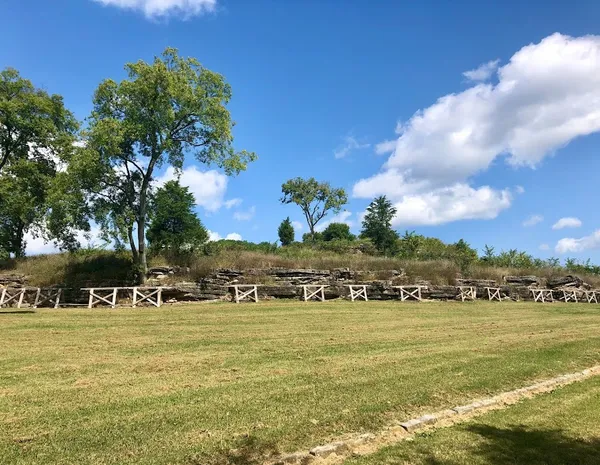
A historic site slated for a major redesign
Fort Negley, a Civil War-era Union fortification overlooking downtown Nashville, is set for a new phase of rehabilitation and interpretation that Metro officials describe as a shift toward an open-air museum model. The work is tied to a multi-step master planning effort completed in 2021–2022 and is intended to change how visitors enter, move through and understand the 64-acre Fort Negley Park site.
The planned improvements emphasize outdoor interpretation—using landscape design, signage and commemorative spaces—to present the fort’s military role alongside the history of the Black men whose labor built and supported Nashville’s wartime defenses.
Construction timeline and early-phase scope
Metro’s published project description indicates the first major phase of construction is scheduled to begin in February 2026. Phase 1 work includes removing pavement from portions of the former Greer Stadium parking areas and reseeding with native meadow grasses, restoring 1930s-era driveways on Fort Negley Boulevard, and shifting the primary visitor entrance toward Chestnut Street.
Plans also call for accessibility improvements and visitor-experience upgrades across the park, alongside a more comprehensive interpretation plan that spans multiple periods of the site’s history, including the Civil War, the formation of nearby Black neighborhoods after the war, and the Works Progress Administration reconstruction of the fort in the 1930s.
Why Fort Negley’s labor history is central to the redesign
Fort Negley was built in 1862 as part of the Union’s fortification network after Nashville fell under Union control. Contemporary interpretation at the site and Metro programming have highlighted that thousands of African American laborers—enslaved, self-emancipated and free—were compelled or recruited to build the fort under harsh conditions. Metro has also used public events to commemorate those laborers and to recognize deaths associated with the construction effort.
Fort Negley has also been recognized internationally as a “Site of Memory” within UNESCO’s Slave Route Project, reflecting the site’s documented connection to slavery, forced labor and the transition from enslavement to military service for some individuals during the Civil War era.
Planned features: memorial landscape, access changes and expanded interpretation
Early design descriptions of Phase 1 outline several elements intended to anchor the park’s new visitor experience, including:
- a memorial lawn in the former Greer Stadium footprint area, dedicated to those who lost their lives building and defending the fort;
- meadowlands and walking trails to replace portions of paved lots;
- a new plaza area designed to improve pedestrian access from surrounding neighborhoods;
- reestablished use of WPA-era stone gates as a primary entrance and reconfigured parking near Chestnut Street;
- new interpretive features designed to address military history and the lives of the Black laborers who built the fort, as well as later community and WPA-era layers of the site.
Fort Negley’s redesign is structured to interpret multiple eras at once: Civil War fortification, Black labor and community formation, and 20th-century reconstruction and preservation.
What to watch as the work begins
Metro has indicated that cultural resources protection will be part of construction planning, reflecting the site’s archaeological and historical sensitivity. As Phase 1 begins, a key measure for the project will be how effectively the new circulation, outdoor interpretation and commemorative spaces function together—while preserving the fort’s fragile historic fabric and expanding the public’s understanding of the people who built it.
Fort Negley Park remains open for self-guided use during daylight hours, with the existing visitors center offering exhibits and programming during posted operating times.