Nashville Pizza Hut staff stayed nearby to keep ovens running amid outages and freezing conditions
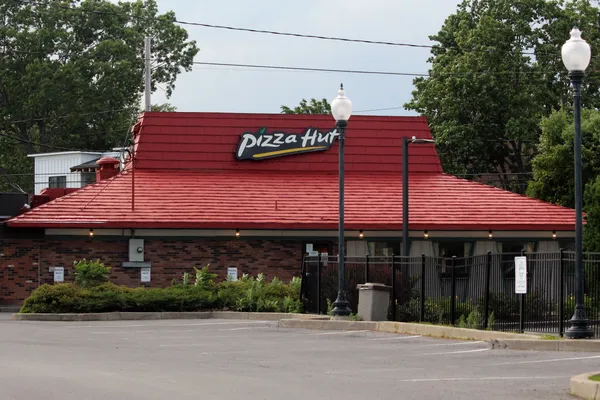
Workers maintained operations during a winter disruption on West End Avenue
A group of employees at a Pizza Hut on West End Avenue in Nashville remained on duty through a severe winter weather period in late January 2026, keeping the restaurant operating as nearby residents faced power outages, icy conditions and limited access to hot food. Staff members arranged to stay at a nearby hotel for multiple nights so they could reliably reach the store and continue service when travel was difficult.
The restaurant became a destination for people from surrounding apartment buildings and hotels who walked over seeking warm meals, a place to briefly get out of the cold, and an opportunity to charge mobile phones. The store continued accepting walk-in orders late into the evening on Sunday, Jan. 25, until supplies were exhausted and dough ran out.
On-foot deliveries and improvised logistics
With streets hazardous and some residents unable to leave their buildings, employees also made short deliveries on foot within the immediate area. The manager said at least one planned delivery involved bringing a pizza to a resident who could not go outside because of mobility limitations and medical equipment needs.
To sustain this work schedule, several team members stayed at the Hampton Inn & Suites on West End, within the same block as the restaurant, reducing reliance on unreliable road conditions. Another employee traveled to the store by bus on Monday, Jan. 26, to assist with staffing. The group anticipated maintaining this arrangement through Wednesday, Jan. 28, depending on weather impacts and neighborhood needs.
- Location: West End Avenue corridor, near downtown Nashville
- Timeframe: Jan. 25–28, 2026
- Services provided: hot meals, indoor warmth, phone charging access, short-range deliveries
Community response amid wider neighborhood strain
Customers who reached the store expressed gratitude to employees for continuing service during the disruption. The hotel manager hosting the staff described the restaurant team as consistent and hardworking, and said he offered discounted room rates during the period as part of an informal, mutual effort to keep essential services available on the block.
The episode reflects how, during short-notice weather emergencies, access to basic needs can quickly shift from conventional supply chains to localized stopgaps—open storefronts, walkable food options and improvised staffing plans.
Context: winter storms and ad-hoc mutual aid in Nashville
Nashville has repeatedly seen informal mutual-aid responses during winter storms, when road conditions and outages disrupt routine commerce and transportation. In prior severe winter events, local food businesses have repurposed ingredients or adjusted operations to provide food to vulnerable residents, highlighting how the city’s restaurant workforce can become part of the immediate response network when weather limits mobility.
In this case, the practical steps were straightforward: keep equipment running, keep staff nearby, and serve walk-in demand created by outages. The result was a temporary, neighborhood-scale relief point built around a single open kitchen during a period when many residents had few other options for a hot meal.