Nashville man dies after I-40 East rollover crash, prompting closure and renewed safety reminders
What happened on I-40 East
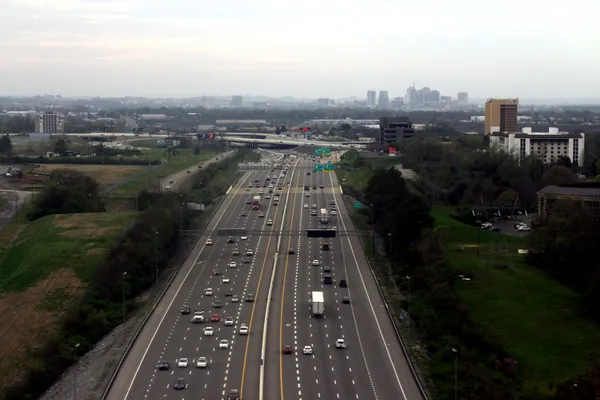
A man from the Nashville area died after a single-vehicle rollover crash on Interstate 40 East that led to a temporary shutdown of the eastbound lanes, according to public safety and transportation incident reports. The crash was reported during the evening commute, when traffic volumes on the corridor are typically heavy.
Authorities did not immediately release the victim’s name in the initial response period, which is common while notifications are made. The investigation focused on the circumstances that caused the vehicle to overturn, including speed, roadway conditions and any mechanical factors. No public determination on contributing causes was available at the time of early reporting.
Traffic impacts and response
The rollover blocked multiple lanes and required emergency crews to secure the scene, provide medical assistance, and clear debris before reopening the roadway. Transportation officials issued a closure and detour guidance while first responders worked the crash.
Major incidents on interstates often involve multiple agencies, including police, fire, emergency medical services and transportation crews. In rollover crashes, responders also evaluate hazards such as fuel leaks, damaged guardrails, and the stability of the vehicle before recovery operations begin.
Why rollover crashes can be severe
Rollover crashes, while less common than many other collision types, are more likely to result in serious injury or death. Crash dynamics can include ejection risk, roof crush, and secondary impacts as a vehicle rotates or slides. Investigators typically look closely at seat belt use, vehicle speed, tire condition and whether the vehicle left the travel lanes before overturning.
Common investigative factors: roadway departure, sudden steering inputs, distraction, and loss of traction from weather or debris.
Vehicle factors often reviewed: tire pressure and tread, suspension issues, and any evidence of pre-crash braking.
Scene factors: lane configuration, shoulder width, guardrail condition, and sight distance near ramps and merges.
Safety reminders emphasized after fatal interstate crashes
Public safety messaging following fatal crashes regularly stresses seat belt use, maintaining safe speeds, and avoiding abrupt lane changes—especially near Nashville’s high-volume merges and interchanges. Drivers are also urged to slow down and move over when approaching emergency vehicles and stopped traffic, where sudden backups can occur with little warning.
Drivers are urged to reduce speed, stay alert near congestion, and give emergency crews space while crash scenes are being cleared.
What comes next
The crash remains under investigation, with authorities expected to review physical evidence from the scene and any available witness accounts or video. Further details—including identification of the victim and any confirmed contributing factors—are typically released after notification procedures and investigative steps are completed.