Nashville hotel demand rises as ice storm outages push residents and pets into temporary shelter
Hotels become a stopgap as thousands lose heat and electricity
Nashville residents facing prolonged power outages during a late-January ice storm have increasingly turned to hotels for warmth, phone charging, and reliable internet, driving a rapid rise in local bookings and, in some corridors, sellouts. The shift has been most visible in neighborhoods where downed trees and ice-laden limbs damaged distribution lines and blocked access routes, leaving households weighing whether to remain in dark, unheated homes or travel on hazardous roads.
The storm’s impacts intensified over the weekend of January 25–26, 2026, as ice accumulation and wind gusts caused repeated failures across the electric grid. Nashville Electric Service reported a record level of simultaneous outages during the peak of the event, with restoration expected to take days in some areas because of extensive tree damage and broken equipment. Utility crews have been deployed across the service area, but repairs have been complicated by ongoing cold, difficult roadway conditions, and the need to clear debris before lines can be safely accessed.
Why hotels—and why now
Hotel stays, while often costly, have served as an immediate alternative for residents without safe indoor temperatures, particularly when outages extend beyond a single night. Families with small children, older residents, and people relying on electrically powered medical devices have faced added urgency to find heat and power. The same is true for some residents of senior living facilities where backup generation may be limited to common areas rather than individual rooms.
In practice, hotels offer three essentials that many homes temporarily lack: stable heat, power outlets, and running hot water. For some households, hotel lobbies and hallways have also become informal gathering spaces—areas with warmth, Wi‑Fi, and room to regroup while awaiting restoration updates.
Pets in tow: dogs and other animals reshaping the shelter picture
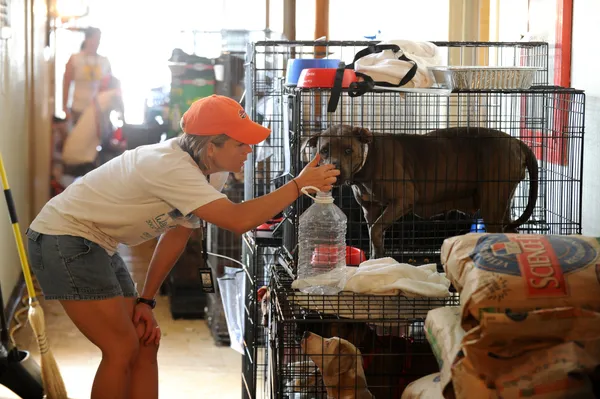
As residents relocated, many brought pets. That has influenced which hotels fill first—properties with pet-friendly policies have seen increased demand as owners try to avoid leaving animals in cold homes. Emergency planning guidance in Nashville during winter weather has emphasized bringing pets indoors, keeping them protected from ice-melt chemicals, and preparing for power loss with basic supplies.
For residents unable to secure hotel rooms, warming locations across the city have been activated, including fire stations and select public facilities. Some emergency shelter options have permitted pets under specific conditions, such as keeping animals in kennels.
Travel risks and public response
Officials have repeatedly urged residents to limit travel as temperatures drop and slush refreezes into hard ice, a pattern that can quickly make secondary streets impassable. The combination of icing, fallen limbs, and sporadic traffic control disruptions has made even short trips uncertain. As a result, the hotel surge has also reflected timing: many residents moved early, before roads deteriorated further.
- Residents seeking warmth have used hotels, warming centers, and public facilities as temporary refuges.
- Restoration timelines have varied by neighborhood, driven by the severity of tree damage and infrastructure breaks.
- Pet-friendly accommodations have drawn heightened demand as families relocate with animals.
As temperatures remain well below freezing, the central challenge has been balancing safety on icy roads with the health risks of prolonged exposure to cold indoors.