Nashville Electric Service faces scrutiny over mutual-aid decisions as ice storm outages persist across the region
Widespread outages and a disputed mutual-aid narrative
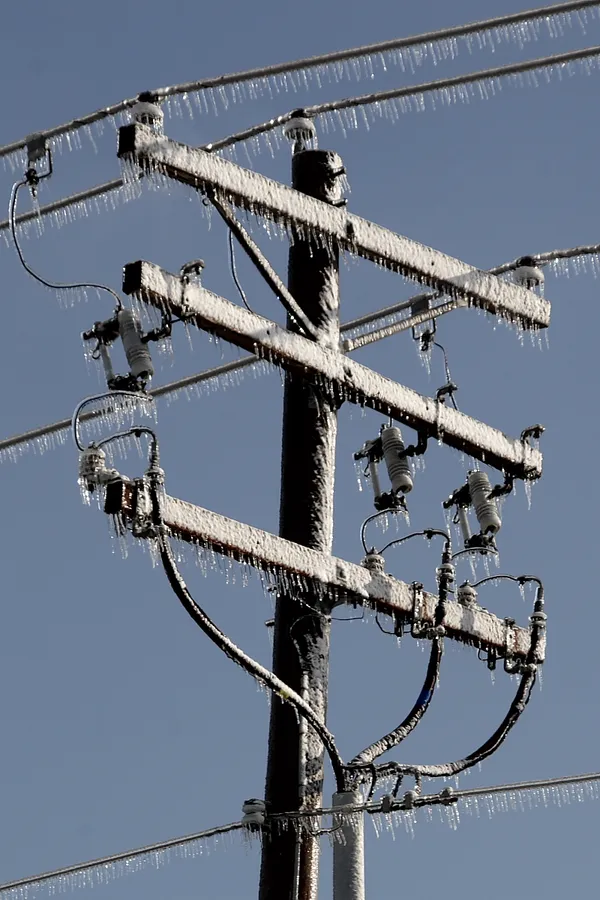
Nashville Electric Service (NES) is facing heightened public scrutiny amid prolonged outages following a late-January ice storm that damaged trees and power lines across Davidson County and surrounding areas. At the peak of the storm’s impact, more than 230,000 NES customers were without electricity out of nearly 470,000 total customers in the utility’s service territory.
In the days after the storm, a central question has emerged: whether the utility declined outside assistance at a time when additional line crews were needed to accelerate restoration. NES has said it relied on mutual-aid arrangements and contract support and that crews from multiple states were assisting. In public remarks during the restoration period, the utility addressed reports of crews being turned away by emphasizing that assistance was being accepted through established mutual-aid agreements and that it was not aware of crews being refused.
Restoration scale, staffing levels, and system damage
By Tuesday morning, NES reported significant restoration progress while acknowledging substantial remaining damage. Public updates during the response period described multi-day operations built around extended work rotations, with lineworkers and contracted crews working 14- to 16-hour shifts.
NES also reported widespread infrastructure impacts from ice-laden trees, including a rising count of broken utility poles as assessments continued. Public updates over consecutive days described broken poles moving from the low hundreds into the 200-plus range as crews identified additional damage.
- Peak outages reported during the storm: more than 230,000 customers
- Customers still without power by Tuesday: roughly 130,000
- Lineworker deployment cited in public updates: more than 700 workers in the field at points in the response
Communications issues add to customer frustration
As restoration continued, NES also dealt with customer communications problems. During the outage period, some customers received text alerts indicating power had been restored when electricity remained out at their homes. The incorrect alerts created confusion for residents attempting to plan for heat, food storage, medical needs, and lodging.
How mutual aid typically functions—and why the dispute matters
Mutual aid in the power sector generally relies on pre-existing agreements between utilities that allow crews and specialized equipment to be requested and dispatched quickly after major storms. The current dispute in Nashville centers on whether additional crews were available beyond those already requested through established channels—and, if so, whether they were declined—or whether the rumors conflate unrelated workforce movements across the broader storm footprint.
For residents still without electricity, the distinction is consequential: the pace of restoration affects exposure to cold, risks tied to alternative heating methods, and broader strain on shelters and city services during prolonged winter conditions.
City emergency operations expanded during the outage period, with shelters seeing elevated overnight occupancy as temperatures fell.
What to watch next
Key near-term developments include whether NES or city officials release more detailed accounting of incoming mutual-aid requests, crew arrivals, and how resources were assigned across major feeder lines, broken-pole sites, and smaller neighborhood outages. Residents can also expect continued updates as damage assessments are finalized and as remaining outages shift from large clusters to more dispersed repairs that typically take longer to complete.