Nashville Electric Service details safety hurdles and vetting steps when adding outside linemen after ice storm
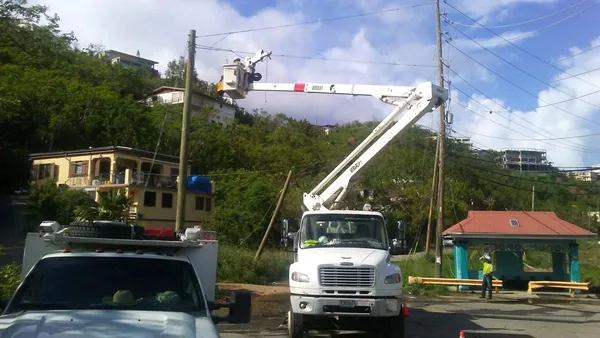
Outside crews are central to restoration, but require system-specific onboarding
Nashville Electric Service (NES) has acknowledged that bringing in outside line crews during a major outage can slow early restoration work because contractors must be integrated into a live electric system under strict safety and operating rules. The utility’s explanation comes as Nashville-area residents continue to recover from a wide-reaching winter storm that damaged poles, circuits, and access routes, leaving large portions of the service area without power for days.
At the peak of the event, outages exceeded 230,000 customers, the largest single-outage count reported in NES history, surpassing the May 2020 derecho. NES reported that the storm snapped hundreds of poles and disrupted dozens of distribution circuits across the region, producing a restoration workload that requires both line reconstruction and extensive vegetation clearing before some repairs can begin.
Why contracting can be complicated during emergency conditions
NES said that adding external lineworkers is not as simple as accepting all offers of help. For work on energized infrastructure and complex distribution networks, crews must be verified as qualified, trained for the utility’s specific system, properly insured, and aligned with local safety and operations protocols. Mutual-aid arrangements and existing contracts are designed to ensure those requirements are met before crews are placed into field operations.
During the current restoration effort, NES expanded the number of workers in the field over several days, moving from a smaller initial deployment to hundreds, and later reporting a deployment exceeding 900 lineworkers. In addition to line crews, the response has included large vegetation-management teams tasked with removing downed trees and debris that can prevent access to damaged poles and lines.
Union crews and mutual aid in the Nashville response
NES has confirmed that union-affiliated crews, including teams represented by the Service Employees International Union and the International Brotherhood of Electrical Workers, have been working in Nashville as part of the broader restoration workforce. The utility has emphasized that mutual aid is used to ensure incoming crews meet the safety and qualification thresholds required for the system.
Road access and debris removal shape restoration timelines
Beyond staffing, physical access has been a limiting factor. In multiple areas, downed trees and blocked roads have prevented line crews from reaching damaged poles and equipment. In response to the ongoing emergency, Tennessee issued an executive order expanding transportation agencies’ flexibility to clear roads and expedite emergency contracting for debris removal and related work, with the goal of accelerating access for power restoration activities.
- Outages peaked above 230,000 customers during the storm.
- Damage included widespread broken poles and large-scale circuit disruptions.
- Restoration has required both electrical reconstruction and extensive vegetation clearing.
তাইNES has framed contractor vetting and onboarding as a safety requirement: incoming crews must be qualified, insured, and integrated into local protocols before being assigned to live-system work.