Nashville Children’s Hospital Treats Nearly 30 Carbon Monoxide Cases as Winter Storm Power Outages Persist
Spike in emergency visits during prolonged outages
A Nashville children’s hospital reported nearly 30 emergency department visits for carbon monoxide poisoning during the region’s winter storm, underscoring a recurring public-safety risk when extreme cold coincides with widespread power loss.
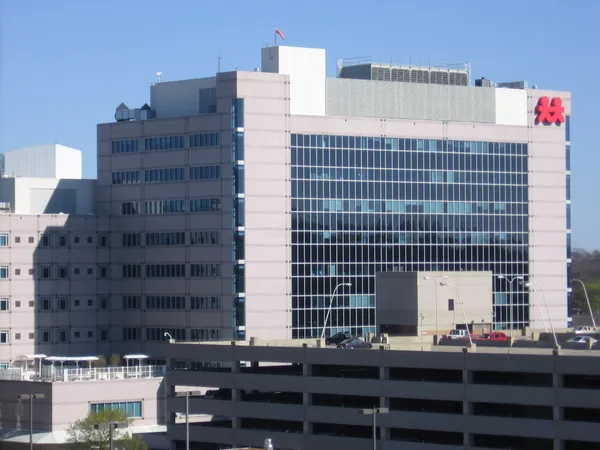
The cases were treated at Monroe Carell Jr. Children’s Hospital at Vanderbilt. Hospital representatives confirmed the volume Tuesday morning, Jan. 27, 2026, and said it was not immediately clear how many of the patients required admission.
Why winter storms can drive carbon monoxide exposure
Carbon monoxide is a colorless, odorless gas produced when fuels such as gasoline, propane, charcoal, wood or natural gas burn without adequate ventilation. During outages, households may turn to portable generators, grills, camp stoves or alternative heating methods that can create dangerous indoor buildup if used incorrectly.
Public health guidance warns that generators and other fuel-burning devices should never be used inside homes, garages, basements, or near openings such as doors, windows, or vents. Safety agencies also advise placing portable generators outdoors and well away from buildings, with exhaust directed away from occupied spaces.
Carbon monoxide poisoning can mimic flu-like illness and may worsen quickly, particularly for people who are sleeping or unable to recognize early symptoms.
Recognizing symptoms and when to seek help
Common symptoms associated with carbon monoxide poisoning include headache, dizziness, weakness, nausea or vomiting, chest pain and confusion. Because carbon monoxide cannot be detected by smell, exposure may go unnoticed until symptoms escalate.
National safety guidance emphasizes that carbon monoxide alarms—preferably on every level of a home and near sleeping areas—can provide early warning, especially during overnight hours.
Core safety steps during outages
- Operate portable generators outdoors only and away from doors, windows and vents.
- Do not run generators in garages, even with the door open.
- Do not use charcoal grills, camp stoves or similar devices indoors for cooking or heat.
- Do not use a gas oven or stovetop to heat a home.
- Install and maintain carbon monoxide alarms with battery backup.
Ongoing monitoring as cold and outages continue
The hospital’s report comes as large numbers of customers in the Nashville area remained without electricity during the storm response period, conditions that can increase reliance on temporary power and heating sources. Emergency managers have repeatedly urged residents facing outages to use approved warming locations when safe heat cannot be maintained at home.
Health officials and safety agencies note that carbon monoxide poisoning is preventable when fuel-burning equipment is used correctly and alarms are in place. The hospital said the increase in pediatric emergency visits prompted renewed warnings to the community about the risk during severe winter weather.