Nashville braces for more water main breaks as freeze-thaw cycle strains aging water infrastructure
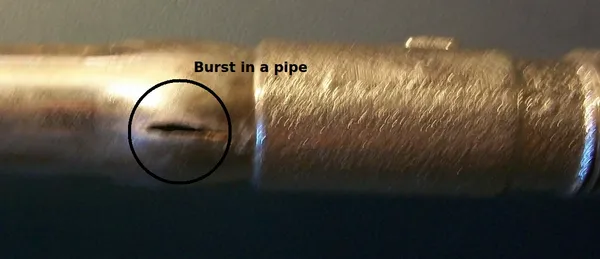
Water utility warns of higher break risk as temperatures rise after a deep freeze
Metro Water Services is advising Nashville residents and businesses to prepare for an uptick in water main breaks as the region transitions out of freezing weather. Utility officials say the risk increases during thawing periods, when shifting ground can stress buried pipes and trigger failures across parts of the distribution system.
The alert comes as crews remain on standby for emergency repairs and as customers are urged to report signs of breaks such as water bubbling up in streets, unusual flows, unexplained drops in pressure, or localized outages. The utility operates a public outage map that distinguishes breaks under investigation from those under repair, and it directs customers to contact its 24/7 line to report suspected breaks.
Why thawing can be a turning point for water mains
Freezing weather can affect water systems in two ways: it increases the likelihood of frozen plumbing on private property, and it sets up conditions for water main breaks as temperatures rebound. Metro Water Services has said ground movement during warming periods can contribute to main breaks, a pattern that utilities across cold-weather regions commonly monitor during rapid freeze-thaw swings.
During the current cold spell, Metro Water Services has also pointed to unusually high system demand tied to preventative measures taken by customers. On Tuesday, Jan. 27, 2026, the utility reported water production of about 130 million gallons compared with roughly 95 million gallons on a typical day for this time of year—an increase consistent with widespread faucet-dripping intended to prevent indoor pipe freezes.
Operational posture and areas under watch
Metro Water Services has indicated it remains operational during winter conditions, while limiting certain non-emergency work when temperatures are below freezing so crews can prioritize emergency response in the distribution system. Utility personnel have also flagged specific parts of the county where leaks were considered possible during the thawing period, including Oak Hill, Joelton and the Love Circle area.
What residents can do now
Protect vulnerable plumbing: Insulate exposed pipes, cover outdoor spigots and foundation vents, and open cabinet doors to circulate warmer air around pipes along exterior walls.
Use controlled dripping during extreme cold: Letting a faucet drip can help prevent freezing in exposed lines; customers are advised to balance prevention with awareness that higher flows can increase system stress.
Know the shutoff location: Residents are encouraged to locate and test their interior shutoff valve in case a pipe bursts.
Report warning signs quickly: Street flooding, bubbling pavement, unexplained low pressure, or an outage may indicate a broken main and should be reported to Metro Water Services immediately.
Residents are advised to treat visible street seepage, sudden pressure drops, and localized outages as potential indicators of a main break, particularly as temperatures climb above freezing.
Metro Water Services says it cannot respond to private plumbing issues inside homes and businesses; customers experiencing frozen or broken interior pipes are advised to contact a licensed plumber.