More Than 400 Join Palm Sunday Nashville March Highlighting Needs of Vulnerable Residents and Immigrant Families
Turnout and route
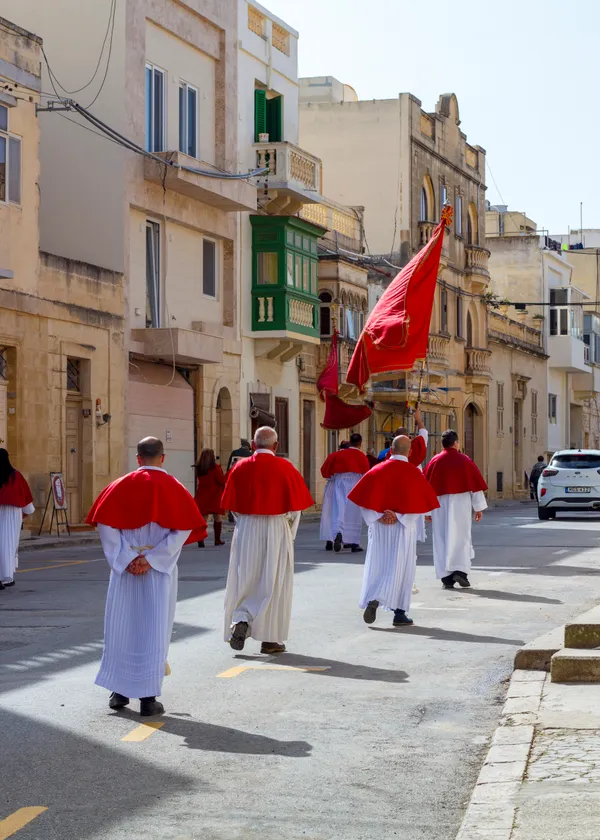
More than 400 people marched in Nashville on Palm Sunday in a faith-centered demonstration focused on residents described by organizers as vulnerable, including immigrant families and others facing instability. The event was held Sunday, March 29, 2026, beginning in the afternoon and moving through downtown toward the Tennessee State Capitol area.
The march was framed as a public witness timed to Palm Sunday, a major date on the Christian calendar that commemorates a procession. Organizers promoted the Nashville event as part of a broader day of coordinated faith-based public marches taking place in multiple communities nationwide.
Who organized it
Planning and sponsorship for the Nashville march involved multiple faith and community organizations. Public event notices listed Catholic Charities of the Diocese of Nashville among sponsoring groups, alongside other faith partners. Separate local listings also promoted a “Palm Sunday Unite Walk” held the same day in downtown Nashville, indicating a network of church-affiliated organizers working in parallel under shared themes of community solidarity.
What participants said they were highlighting
Organizers characterized the march as a solidarity action with neighbors facing heightened risk and limited access to support. Materials circulated ahead of the event referenced immigrant concerns, including gatherings held at or near federal immigration facilities in Nashville during Lent, suggesting that immigration enforcement and family stability were among the issues motivating participants.
While the march focused on moral and civic appeals rather than a single policy proposal, its messaging fit within a broader set of local debates about housing stability, emergency support systems, and access to services for residents experiencing crisis.
Local context: vulnerability and public services
Nashville’s vulnerability-related challenges have been visible in recent years through periodic cold-weather shelter activations and discussions about the capacity and staffing needs of emergency overflow shelter operations. City and nonprofit partners have repeatedly emphasized logistical constraints that can affect continuity of services during severe weather.
Separately, Metro government has continued to describe the city’s housing-response system as dependent on federal funding streams and partnerships, with officials warning in recent months that changes affecting federal housing dollars could have significant consequences for people at risk of losing stable housing.
What happens next
Organizers indicated the Palm Sunday march was part of ongoing faith-community engagement rather than a one-time event.
Advocacy efforts are expected to continue through additional public gatherings, interfaith initiatives, and service-oriented programs connected to local congregations and partner nonprofits.
Editor’s note: Attendance figures reflect organizer estimates for the Palm Sunday march reported as exceeding 400 participants.