MNPS expands storm meal relief with Mercy Chefs and World Central Kitchen as outages persist
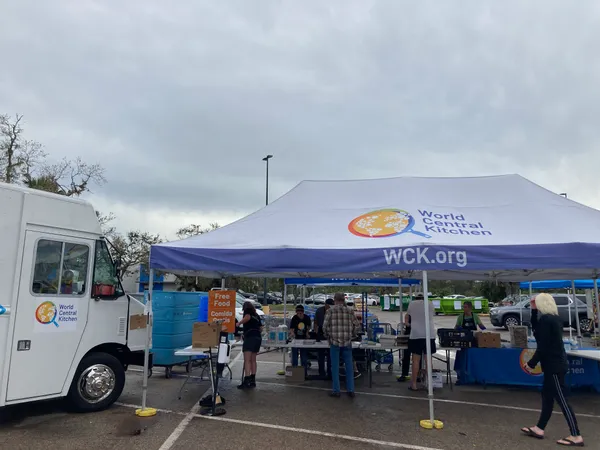
School-based food distribution continues after Winter Storm Fern disrupted power and access to groceries
Metro Nashville Public Schools (MNPS) has continued emergency food assistance for students and families in the wake of Winter Storm Fern, coordinating on-the-ground meal support with Mercy Chefs and area hunger-relief partners while nonprofit disaster kitchens also expanded service across Nashville.
On Thursday, February 5, MNPS scheduled hot meals and food boxes at multiple school sites in Davidson County, using campuses as distribution points while many households remained in recovery mode after prolonged cold, ice and service disruptions. The district listed four locations with staggered pickup windows across the morning and afternoon: Antioch High School, J.E. Moss Elementary, Inglewood Elementary and Jere Baxter Middle School.
How the partnership model works
The response illustrates a layered approach that has become common during large-scale weather emergencies: public institutions provide trusted access points and broad outreach, while specialized nonprofits supply food production capacity and last-mile meal service.
MNPS served as a logistics hub by hosting distribution at schools and communicating pickup details to families.
Mercy Chefs operated from its Nashville Community Kitchen to produce hot meals for delivery to community sites during the storm’s aftermath.
World Central Kitchen deployed food-service teams and partners in Nashville during the winter storm response period, including mobile meal operations set up to reach residents facing power loss and limited cooking options.
Context: widespread disruptions pushed food needs beyond typical school-day operations
Severe winter conditions in late January created a convergence of needs that can quickly escalate food insecurity: households without electricity lose refrigeration and cooking capability, travel becomes hazardous, and grocery operations can be constrained by staffing and supply interruptions. Local emergency communications urged residents without power to seek shelter and warming locations, reflecting the broader safety risks of extended outages during freezing temperatures.
Metro Social Services reported that its winter weather response included emergency meal deliveries and food box distributions to homebound residents and to warming centers, alongside welfare calls and on-site case management designed to connect residents to recovery resources through the first week of February.
What families should know
MNPS provides no-cost student meals during the school year under federal eligibility rules that allow broad meal access, and the district’s storm distributions extend that nutrition function into emergency conditions when normal routines are disrupted.
For storm recovery, the operational priority is rapid, practical access: ready-to-eat food boxes and hot meals that do not require home electricity or full kitchen equipment.
With additional winter weather impacts possible in coming weeks, the current response underscores the value of pre-existing community kitchens and school-based distribution plans that can be activated quickly during outages, dangerous road conditions, and periods of elevated demand for prepared meals.