Metro councilmember condemns mayor’s response as Acme Feed & Seed faces steep property tax increase
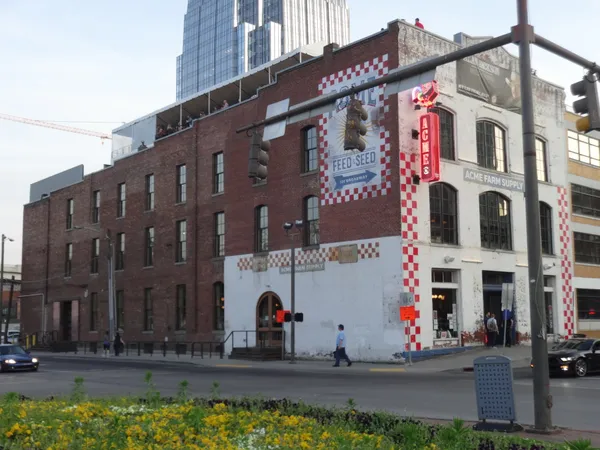
A long-running reappraisal dispute reaches City Hall
A Metro Council member criticized Mayor Freddie O’Connell’s public remarks about Acme Feed & Seed as the Lower Broadway venue contests a sharply higher property tax bill tied to Davidson County’s most recent reappraisal cycle.
The disagreement comes as downtown property owners and tenants continue to report significant increases in assessed values following the countywide reappraisal that reset many commercial valuations upward. The resulting tax bills have fueled a surge of formal appeals, creating a backlog that has stretched hearing schedules well into 2026 for some cases.
What Acme Feed & Seed says changed
Acme Feed & Seed’s owners have said their annual property tax obligation is rising from roughly $129,000 to about $600,000. The business has filed an appeal, but the timing of a formal hearing has become a central concern for operators who say cash flow cannot absorb the higher bill while waiting for a ruling.
The issue is especially acute for businesses operating under triple-net leases, a common commercial arrangement in which tenants typically pay property taxes, insurance and some maintenance costs in addition to base rent.
Mayor’s comments and the councilmember’s reaction
The councilmember’s response focused on the mayor’s statement that the decision about whether the venue remains open is not within the mayor’s control. While the mayor does not set individual appraisals, the episode has intensified scrutiny of how Metro government communicates with businesses facing rapid cost increases, and what—if any—administrative options exist to shorten appeal timelines or provide interim relief.
The mayor’s remark has become a flashpoint in a broader debate over the impact of reappraisals and tax policy on downtown entertainment venues.
Broader context: rising values, higher bills, and a crowded appeals calendar
Publicly available appraisal data show that several prominent Lower Broadway properties saw large valuation increases between the last reappraisal and the most recent one. In one example highlighted previously by local reporting, Acme Feed & Seed’s property valuation rose from about $9 million to about $50 million over that period.
As appeals have mounted, the Metropolitan Board of Equalization has faced an expanding docket. For many filers, the core problem is timing: tax bills are due on the normal schedule, while hearings and potential valuation adjustments may occur months later, with refunds or credits dependent on the final outcome.
Key points in the dispute
- Acme Feed & Seed is appealing a substantially higher property tax bill associated with the latest reappraisal.
- Downtown commercial properties have seen outsized valuation increases compared with prior cycles, pushing tax liabilities up for some owners and tenants.
- Appeal backlogs can delay hearings into late 2026, complicating cash-flow planning for businesses facing higher bills immediately.
- While appraisal decisions are made through the assessment and appeals process, political pressure is rising for process changes that could reduce delays.
What happens next
Acme’s appeal will proceed through the established review channels, with any adjustment dependent on the Board of Equalization’s decision. More broadly, the controversy is likely to keep attention on reappraisal methods, appeal capacity, and whether policy changes—local or state-level—could reduce volatility for downtown businesses in future cycles.