Meharry Medical College marks 150 years, highlighting a long campaign to diversify U.S. healthcare workforce
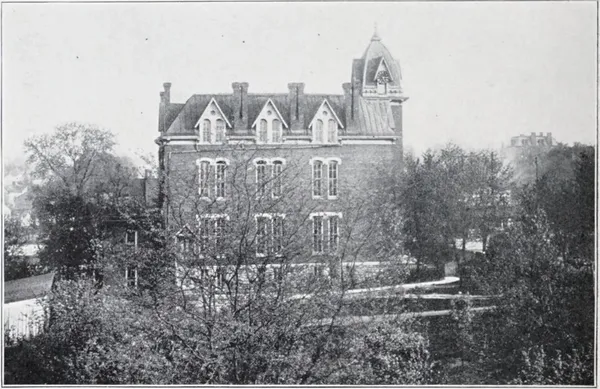
A Nashville institution founded after the Civil War remains central to diversifying American medicine
Meharry Medical College, a historically Black academic health sciences center in Nashville, is marking 150 years since its founding in 1876—an anniversary that comes amid renewed national attention to workforce diversity, health equity, and access to care. The institution was established to educate Black physicians in an era when many medical schools excluded African Americans, and it has remained focused on training clinicians and scientists who serve communities experiencing persistent health disparities.
Over decades, Meharry and Howard University have been repeatedly cited in historical and policy analyses as having trained a large share of Black physicians and dentists in the United States, particularly during the 20th century when the number of Black medical students nationwide was constrained by segregation and limited institutional access. Those assessments also noted that graduates from these institutions have been highly represented among Black medical school faculty members, amplifying influence beyond direct patient care through teaching and leadership roles.
Education, clinical training, and community-facing care
Meharry’s current academic profile includes medicine, dentistry, and biomedical sciences, and the school reports an institutional mission centered on advancing health equity through education, research, and clinical service. Publicly available enrollment and degree data for recent years show a student body that is predominantly Black and robust annual awarding of professional doctorates in medicine and dentistry, reflecting the school’s continued emphasis on expanding representation in health professions.
- Founded in 1876 in Nashville as a medical school serving Black students.
- Operates as an academic health sciences center with medical and dental education programs.
- Recent public datasets show a largely Black student enrollment and substantial numbers of professional doctorates awarded annually.
Major investments tied to workforce diversity goals
The anniversary year also coincides with significant philanthropic investment aimed at strengthening the school’s financial position and training capacity. In August 2024, Bloomberg Philanthropies announced a $175 million gift to Meharry as part of a $600 million commitment to four historically Black medical schools. The funding was described as intended to bolster endowments, support scholarships, and expand efforts to diversify the healthcare workforce while advancing health equity initiatives.
Meharry has also publicly launched “Campaign 150,” a fundraising effort aligned with the anniversary and framed around long-term investments in students, faculty support, facilities, and program initiatives.
Across Nashville’s healthcare landscape, the 150-year milestone places Meharry’s workforce mission in a longer historical arc: from training clinicians during segregation-era exclusion to building modern pipelines for physicians, dentists, and researchers amid continuing gaps in representation.
Why the 150-year benchmark matters now
The anniversary does not resolve the broader national challenge of matching the healthcare workforce to the demographics and needs of the population. It does, however, highlight an institution whose core operating purpose has long been linked to that objective—through the steady production of clinicians and scientists, targeted community service, and new investments designed to expand training and research capacity.