Man charged after gunfire south of downtown Nashville, as investigators reconstruct events and potential motives
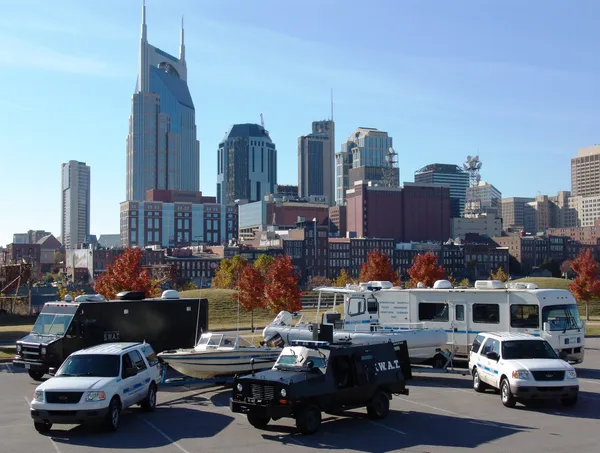
Charges filed after shooting reported in area south of downtown
A man has been charged following a gunfire incident south of downtown Nashville, as investigators work to establish the sequence of events, identify all participants, and determine whether additional charges are warranted. The incident occurred in a neighborhood that includes University Court and nearby blocks, an area that has seen multiple shooting investigations over the past two years.
Public court and police records in comparable recent cases show that charges in gunfire investigations commonly include aggravated assault, reckless endangerment, unlawful weapon possession, and—when prior felony convictions apply—felon-in-possession counts. In several Nashville-area cases, prosecutors have pursued additional counts when bullets entered occupied homes or when bystanders were injured.
What investigators typically examine in gunfire cases
In shootings that occur on or near residential complexes and public roadways, detectives generally focus on a short set of factual questions before recommending charges:
Whether a specific person was targeted or whether the gunfire was indiscriminate.
The presence of injuries, property damage, or rounds entering occupied structures.
Whether the shooter had legal access to the firearm and whether the gun was reported stolen.
Video evidence, including city cameras, private surveillance systems, and body-worn camera footage.
Statements from witnesses and involved parties, which are later tested against physical evidence.
Investigators also typically document the precise location of shell casings, bullet strikes, and vehicle paths to determine angles of fire and whether rounds traveled toward occupied spaces—facts that can affect whether prosecutors pursue reckless endangerment or attempted-homicide theories.
Context: a corridor with recurring investigations
Recent public incident logs and charging documents show University Court and surrounding streets appearing repeatedly in shooting investigations. In March 2024, two 14-year-olds were charged in a fatal shooting on University Court. In August 2025, police investigated a shooting on University Court in which a 20-year-old man was hospitalized with a non-life-threatening chest wound. In January 2026, police announced arrests of two teens tied to separate shootings connected to the same corridor, including one case described as stray gunfire during an argument.
What happens next
After an arrest in a gunfire case, the next steps generally include a bond determination, conditions of release (if any), and a sequence of court hearings where prosecutors disclose core evidence and defense attorneys challenge probable cause and identification. If the case involves allegations of prior felony status, interstate firearm evidence, or a stolen gun, the investigation can expand into separate counts and, in some circumstances, parallel state and federal proceedings.
In Tennessee criminal cases involving gunfire in populated areas, the legal outcome often turns on provable intent, corroborated identification, and whether the gunfire created a substantial risk to bystanders.
The charged man is presumed innocent unless and until proven guilty in court.