Large police presence reported in East Nashville prompts questions about safety, traffic impacts, and public information gaps
What was observed
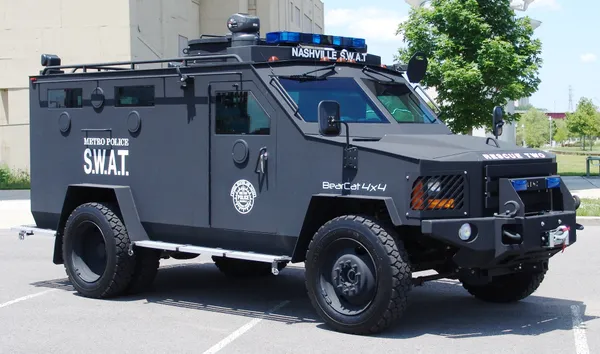
A large police presence was reported in East Nashville, drawing attention from residents and commuters as multiple law enforcement vehicles concentrated in a limited area. Such scenes typically involve rapid deployment to stabilize an unfolding incident, secure a perimeter, or support an investigation. In the initial stages, the visible scale of the response can exceed what is later required once officers confirm the nature and scope of the call.
Why a “large presence” can happen quickly
Large responses can be triggered by high-priority calls that require immediate control of a scene and the safety of the public, officers, and any victims. In practice, dispatchers may assign multiple units early when information is incomplete, when a caller reports a weapon, when there is a potential threat to life, or when officers need to establish traffic control and a perimeter while supervisors coordinate resources.
Perimeter security and scene management (keeping bystanders and traffic away)
Searching for a suspect or locating a missing person
Supporting medical response and preserving evidence at an active scene
Coordinating specialty resources if risks escalate
What the public can verify in real time—and what remains unclear
Metro Nashville Police maintains a public-facing list of active major incident calls for service, intended to provide general awareness of police activity. However, that feed is limited by design and does not function as a full narrative of an incident. It can omit sensitive details, change as calls are reclassified, and may not capture the full context that becomes clear later through investigative work.
In fast-moving incidents, initial dispatch information is often preliminary and can change after officers arrive and verify facts.
East Precinct activity in context
East Nashville is policed within a broader precinct system that tracks calls for service and reported offenses across the county. Recent Metro reporting has shown that overall crime has declined across precincts, including the East Precinct, even as residents continue to experience localized spikes in specific problems such as vehicle break-ins. Those short-term patterns can influence deployment decisions, including proactive patrols and targeted enforcement in certain corridors and commercial nodes.
Traffic, neighborhood disruption, and what residents should do
When a concentrated police response occurs, the immediate impacts are often practical: temporary road closures, restricted access to blocks or parking areas, and delays for transit and emergency vehicles. Residents who encounter active police activity should avoid approaching the scene, follow posted or verbal directions, and use alternate routes. Anyone with direct information relevant to an incident should contact authorities through emergency or non-emergency channels based on urgency.
As the event develops, additional verified details typically emerge through official briefings, incident updates, or subsequent case reporting. Until then, the scale of the response alone does not establish what occurred, why it happened, or whether there is an ongoing risk to the broader community.