Lara Trump spotlights proposed White House ballroom and UFC fight plans during Nashville-area rally appearance
What was said in the Nashville-area appearance
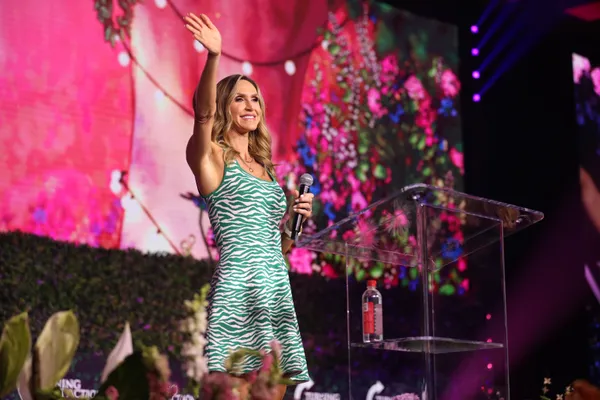
Lara Trump used a Nashville-area political rally appearance to amplify two highly publicized initiatives linked to the Trump White House: discussions around a proposed new White House ballroom project and plans for a high-profile Ultimate Fighting Championship event tied to the nation’s 250th anniversary in 2026. Her remarks placed cultural spectacle and facility expansion alongside broader campaign-style messaging that has become a recurring feature of Trump-aligned events.
UFC event concept: timing, scale, and unresolved details
The White House UFC plan has been publicly framed as part of the national semiquincentennial celebration scheduled for 2026. The concept, as previously described by the president, involves staging a full professional fight card on White House grounds with a crowd size discussed in the tens of thousands. UFC leadership has signaled that planning discussions have occurred, but the most consequential operational details remain unsettled in public view, including the final venue configuration, security footprint, broadcast arrangements, and the identity of participating fighters.
What is clear is that the proposal has moved beyond an offhand remark into an active planning topic, with UFC executives publicly treating it as a real event concept connected to the Independence Day period in 2026.
- Public framing: a professional UFC event tied to America’s 250th anniversary in 2026.
- Open questions: final date, bout lineup, ticketing model, crowd capacity, and site logistics.
- Key constraint: unprecedented security and operational requirements at the presidential complex.
White House ballroom proposal: process, opposition, and oversight
At the Nashville-area rally, Lara Trump also highlighted the administration’s ballroom proposal, a project that has generated substantial public scrutiny and formal review. The plan has been the subject of a large volume of public comments and has faced a complicated approval environment involving federal planning oversight. The review timeline has been shaped by public participation and procedural steps that can affect when and how a project is allowed to proceed.
The ballroom debate has centered on the scope of change to the White House complex, how modernization is justified, and what legal and planning processes apply to alterations at a nationally significant site.
Why these issues are surfacing on the rally circuit
By elevating the UFC plan and the ballroom project at a Tennessee rally, Lara Trump placed two Washington-based storylines into a political-event setting designed for rapid message distribution. Both topics share characteristics that make them unusually rally-ready: they are visual, easy to summarize, and closely associated with Donald Trump’s personal brand and long-running focus on high-visibility venues and events.
For Nashville-area audiences, the appearance underscored how national-level cultural and construction disputes are increasingly being packaged as campaign-style talking points, even when the underlying decisions depend on federal planning processes, security planning, and negotiations that are not resolved on a rally stage.