Jelly Roll plans to donate a 2026 Grammy trophy to Davidson County’s juvenile detention center
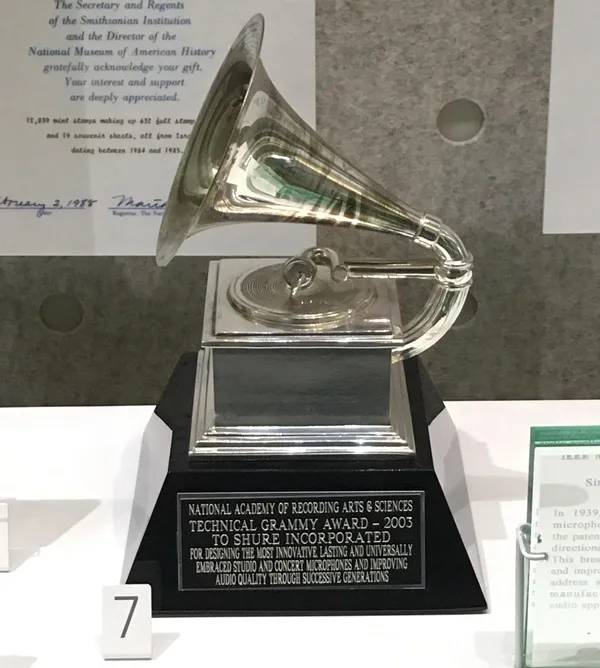
A personal milestone redirected toward a local facility
Nashville native Jelly Roll, whose legal name is Jason DeFord, has said he intends to donate one of his recently awarded Grammy trophies to the Davidson County Juvenile Detention Center, the local youth facility where he has previously acknowledged spending part of his adolescence.
The plan follows his wins at the 2026 Grammy Awards in Los Angeles, where he received three trophies. Those awards included Best Contemporary Country Album for Beautifully Broken, Best Country Duo/Group Performance for “Amen” with Shaboozey, and Best Contemporary Christian Music Performance/Song for “Hard Fought Hallelujah” with Brandon Lake.
Why the juvenile detention center is central to the story
The proposed donation is tied to DeFord’s long-running involvement with justice-system initiatives in Nashville and his public recounting of early encounters with local detention facilities. He has connected those experiences to the beginnings of his interest in making music and has described them as formative in his life trajectory.
The Davidson County Juvenile Detention Center has been a focal point of that engagement. In earlier years, he contributed to efforts intended to expand access to music-making inside the center, including support for a recording studio used by detained youth.
Context: high-profile recognition alongside second-chance advocacy
The planned Grammy donation arrives amid broader attention to DeFord’s transition from repeated arrests and incarceration as a teenager and young adult to mainstream success as a recording artist. In recent years, he has spoken publicly about the role that rehabilitation, faith, and mentorship played in his life after incarceration.
That public narrative has also intersected with official state action. In late 2025, Tennessee Gov. Bill Lee issued a pardon to DeFord related to his prior criminal convictions in the state, a decision that followed review by relevant state processes. DeFord has said in the past that a pardon could reduce barriers to international travel for touring and other activities.
What is known—and what is not—about the donation plan
As described, the donation would involve transferring one of DeFord’s Grammy trophies to the juvenile detention center for display, with the stated purpose of serving as motivation for young people held there. Details such as which specific award would be donated, how it would be curated, and whether it would be accompanied by programming or educational initiatives have not been publicly specified.
- Planned recipient: Davidson County Juvenile Detention Center in Nashville
- Intended item: one of Jelly Roll’s 2026 Grammy trophies
- Publicly stated aim: inspiration for detained youth
For Nashville’s juvenile facility, a Grammy display would represent an unusually visible artifact of local success—placed inside an institution more often associated with crisis response than cultural recognition.
The plan underscores a broader question facing arts-in-corrections efforts: whether symbolic gestures can be paired with sustained resources and access that meaningfully affect opportunity for young people cycling through detention. No additional commitments beyond the trophy donation have been publicly confirmed.