Ice storm knocks trees onto East Nashville streets, triggering widespread outages and hazardous travel conditions
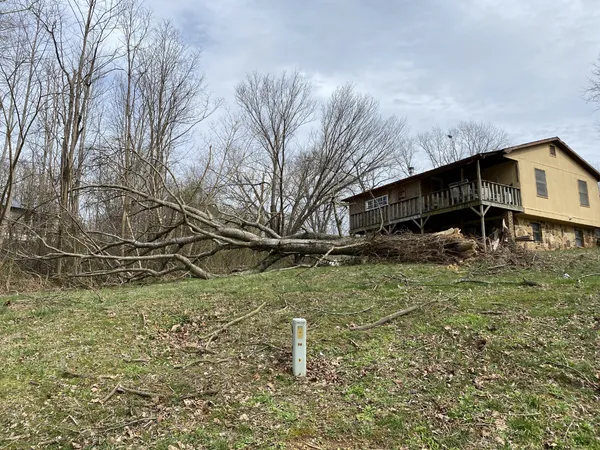
Trees and limbs fall across East Nashville during January 2026 ice event
Tree failures were reported across East Nashville on January 25, 2026, as freezing rain and ice accumulation added weight to branches and whole trees, bringing them down into streets and onto utility infrastructure. Video recorded in the area showed trees bending and breaking under ice loads, with at least one scene involving a power line fire beneath an ice-laden tree.
The damage in East Nashville unfolded within a broader regional winter storm that combined snow, sleet and freezing rain across Middle Tennessee, producing dangerous travel conditions and widespread utility disruptions. The storm’s impacts extended beyond neighborhood streets into major corridors, as ice-weighted trees were also reported falling into roadways and blocking lanes on sections of Interstate 40.
Power restoration expected to take days in some areas
Nashville Electric Service reported that outages affected a large share of its customer base as the ice event intensified, with damage including downed lines and broken poles across the service area. Utility crews worked extended shifts while warning that restoration could take several days in harder-hit locations, reflecting the scale of tree-related damage and the complexity of repairs when lines and poles are compromised.
In East Nashville, downed limbs and trees contributed to localized access problems, complicating the movement of residents, emergency services and repair crews. Cold temperatures were expected to slow recovery, with refreezing risks increasing the likelihood of additional limb failures and further road hazards.
City and state response focused on travel hazards and basic needs
Emergency management and transportation agencies emphasized limiting travel as crews worked to clear vegetation from rights-of-way, treat primary routes, and respond to changing conditions. Warming shelters opened across the region as outages and low temperatures created risks for residents without heat.
- Drivers were urged to avoid nonessential travel due to ice buildup and falling-tree hazards.
- Residents were advised to treat downed or low-hanging lines as energized and keep clear until crews secure the area.
- Public agencies continued roadway clearing operations while cautioning that brutally cold temperatures would keep roads dangerous.
Safety officials repeatedly stressed that blocked roads and downed lines can change quickly during ice events as trees continue to shed branches.
Why ice causes widespread tree failures in urban neighborhoods
Ice storms can be especially damaging in cities where trees grow near streets and overhead utilities. When freezing rain coats branches, the added weight can exceed the structural capacity of limbs and trunks, while wind or additional precipitation can trigger sudden failures. In neighborhoods like East Nashville—where mature canopy trees line residential streets—the result is often a combination of blocked roadways and utility damage that lengthens restoration timelines.
Cleanup and restoration efforts were expected to continue as crews addressed downed trees, repaired damaged infrastructure and worked to restore power across affected sections of Nashville.