Free to Move and Metro leaders launch six-month safety audits across Nashville’s greenway network
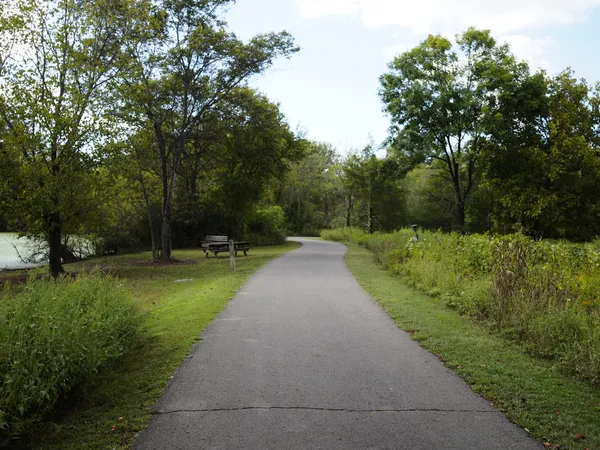
Biweekly community walks will assess conditions and infrastructure needs on multiple greenway segments
A six-month series of safety and usability audits is beginning this week on Nashville’s greenway system, bringing together community members and local government leaders to document concerns and identify potential infrastructure improvements. The effort is organized through Free to Move’s Greenway Walk Audit series in collaboration with Metro Council and Metro Parks.
The first public audit walk is scheduled for Thursday, March 12, 2026, from 6 to 7 p.m. at the Shelby Bottoms Greenway. Organizers said additional audits are planned twice each month, with each session focusing on a different stretch of greenway.
What the audits will measure
Participants will review conditions using a standardized set of categories intended to capture both personal safety and day-to-day usability. The audit framework includes ten areas of focus:
- Lighting
- Sightlines and visibility
- Trail surface conditions
- Vegetation and overgrowth
- Wayfinding and signage
- Emergency access
- User conflicts and congestion
- Benches and rest areas
- Security features
- Accessibility for mobility aids and strollers
Organizers said the intent is to compile the findings into a report of recommendations to be delivered to Metro government offices for consideration. The approach emphasizes collecting on-the-ground observations that can be converted into specific, actionable projects, such as visibility improvements, maintenance needs, and design changes to reduce conflict between different types of trail users.
Background and policy context
Free to Move was created by the family of Alyssa Lokits after she was shot and killed while running on the Mill Creek Greenway in the Antioch area on October 14, 2024. Metro Nashville Police reported at the time that the 34-year-old was found near a wooded area off the trail with a gunshot wound.
The audit series is designed to “elevat[e] those local voices” and allow residents to assess what changes could improve safety across greenways.
In parallel with the local audit series, the group is supporting proposed state legislation titled the Alyssa Lokits Safety Act (HB 1289/SB 1247). The proposal would direct the Tennessee Department of Environment and Conservation to work with local governments on a comprehensive strategy addressing safety in parks, including elements such as design, lighting, signage, surveillance, programming, and public involvement, along with a task force component tied to safety and security planning.
How the audit could shape future improvements
Nashville’s trail network spans more than 300 miles countywide, encompassing paved multi-use greenways and other trail types. Organizers said the audit effort will also examine access and mobility considerations, reflecting the role greenways play for exercise, recreation, and car-free travel.
The next phase will be the translation of audit findings into prioritized recommendations, including which segments face the most pressing safety and accessibility gaps and what upgrades would be required to address them.