FAA issues ground stop for flights to Nashville International Airport as thunderstorms disrupt regional operations
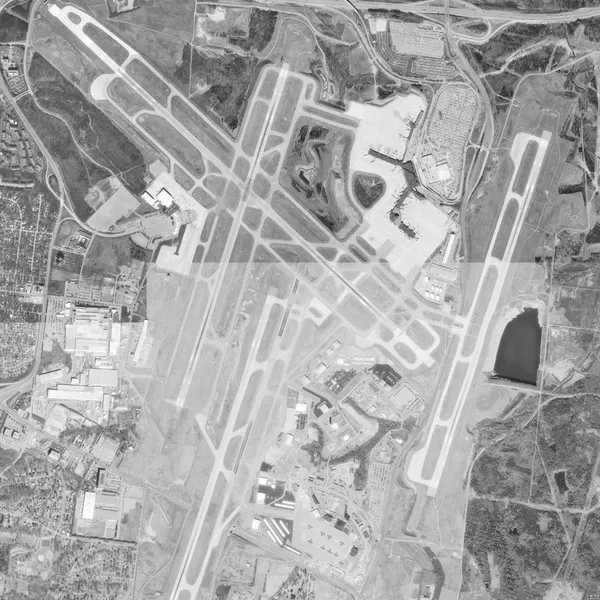
Arrivals into BNA temporarily halted as thunderstorms move through Middle Tennessee
Flights bound for Nashville International Airport (BNA) were temporarily placed under a federal ground stop as thunderstorms moved through the Nashville area, interrupting normal air traffic flows and adding to delays for travelers across the region.
A ground stop is a traffic management measure that prevents aircraft from departing their origin airports for a specified destination when conditions make it unsafe or impractical to accept additional arrivals. In weather events, the goal is to keep inbound aircraft from entering airspace where routes, approach paths, or ramp activity may be constrained by lightning, heavy rain, strong winds, or reduced visibility.
What a ground stop means for travelers and airlines
During a ground stop for a destination airport, flights that have not yet departed for BNA may be held at their departure airports until the restriction expires or is replaced by a different traffic-management program. Flights already en route may continue toward Nashville but can be subject to holding patterns, reroutes, or diversions if storm impacts persist.
Even after a ground stop is lifted, schedules often remain uneven as airlines reposition aircraft and crews and work through gate constraints and passenger rebookings. As a result, travelers may see rolling delays that extend beyond the period of the initial restriction.
- Departures to Nashville may be delayed at the origin airport before boarding or after boarding at the gate.
- Arriving aircraft may experience airborne holding or be rerouted around storm cells.
- Some flights may divert to alternate airports if conditions at BNA prevent a safe arrival or if arrival slots remain limited.
- Connections can be affected when inbound aircraft and crews arrive late and disrupt subsequent departures.
Thunderstorms can constrain both airspace and ground operations
Thunderstorm disruptions are not limited to runways and airspace. Lightning in the vicinity of an airport can slow or suspend ramp operations, including fueling, baggage handling, and aircraft servicing. When ground activity is restricted, gate availability can tighten and arrival rates can fall, compounding delays even if runways remain technically available.
Passengers are most likely to see impacts first as departure holds, followed by arrival delays and missed connections as airlines work to restore aircraft and crew rotations.
How to check status and plan during irregular operations
Travelers scheduled to fly into or out of BNA during thunderstorms are typically advised to confirm flight status before leaving for the airport and to monitor airline notifications for gate changes, revised departure times, and rebooking options. For those connecting through Nashville, airlines may issue updated itineraries as soon as inbound schedules stabilize.
Air traffic restrictions tied to convective weather can change quickly as storm intensity, movement, and airport conditions evolve, and any estimated end time may be extended if hazardous conditions persist.