Experts warn of sinkhole and flooding risks as The Boring Company starts tunneling in Nashville
Project begins as Metro Council records concerns over geology, emergency response, and local oversight
The Boring Company has begun initial tunneling work for its planned “Music City Loop” in Nashville, a private underground transportation system intended to move passengers in dedicated Tesla vehicles between Nashville International Airport and key points in the urban core. State officials have approved a lease and a grading permit for use of state-owned property and right-of-way, clearing a path for construction beneath state-controlled roadways. The first operating segment has been described publicly as targeted for early 2027.
In a separate local action, the Metro Nashville Council voted 20–15, with two abstentions, to adopt a nonbinding resolution placing concerns about the project on the record. The vote does not stop construction, but it formalizes requests for clearer safety, environmental, labor, and reporting standards, and it underscores a broader dispute about decision-making authority for major infrastructure built inside Nashville but advanced primarily through state channels.
Why sinkholes are central to the debate
The most persistent technical concern raised by local and regional geoscience experts involves Nashville’s karst-prone geology, where soluble limestone can create cavities and conduits that heighten the risk of subsidence and sinkholes. In karst settings, construction and excavation can also alter groundwater movement in ways that are difficult to predict without detailed site investigation and continuous monitoring.
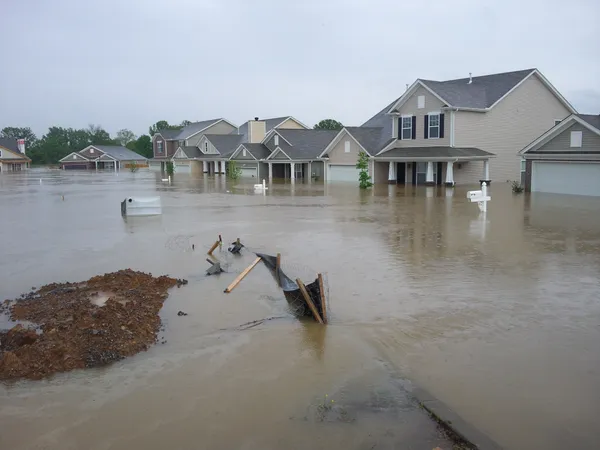
Nashville and Middle Tennessee have a documented history of flooding, and critics of the tunnel plan have questioned how underground infrastructure would perform under heavy rainfall events, including how water would be kept from entering tunnels and stations and how any inundation would be managed if it occurred. The project’s public descriptions emphasize an all-electric system and rapid trip times, but detailed, project-specific information about geotechnical baselines, settlement tolerances, and long-term groundwater controls has been a focal point of requests from local officials.
Emergency access, accessibility, and oversight questions
Public discussion has also centered on emergency response planning—how first responders would access a confined underground corridor during a fire, medical emergency, vehicle stoppage, or smoke event, and how evacuations would be handled if a station area were compromised. Separately, disability advocates have questioned how the system will meet accessibility requirements given that the service concept relies on Tesla vehicles operating as the passenger carrier inside the tunnel network.
At the state level, lawmakers have advanced proposals that would create a dedicated authority to oversee subterranean transportation projects. Supporters describe the approach as a way to coordinate permitting and safety review efficiently; opponents argue it could diminish the role of existing agencies and further limit local control over a project whose impacts would be concentrated in Nashville.
- State approvals have enabled work beneath state-owned routes and on state property tied to the project’s launch point.
- The Metro Council’s resolution calls for more frequent briefings and clearer safety and environmental reporting, but it is not legally binding.
- Geotechnical concerns focus on sinkhole susceptibility and water movement in karst limestone, alongside flood-related operational risk.
With tunneling now underway, the project’s next milestones will depend on construction progress, the scope of remaining permits and agreements, and whether additional oversight requirements are enacted at the state level.
The project’s timeline, safety planning, and risk management will remain under close scrutiny as excavation proceeds and as the boundary between state authority and local governance continues to be tested in public forums.