Community meeting planned on proposed North Nashville street overlay, outlining possible zoning and operating restrictions
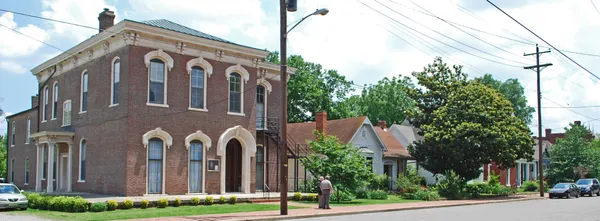
A proposal to add an overlay district to parts of North Nashville is moving through public review
A community meeting is scheduled to discuss a proposed overlay affecting streets in North Nashville, a zoning mechanism that can add location-specific rules on top of existing base zoning. In Nashville, overlays are commonly used to shape either the form of new construction (through design standards) or the way certain commercial uses operate within a defined corridor, depending on the overlay type and ordinance language.
The meeting is expected to focus on what the overlay would regulate, the geographic boundaries under consideration, and how residents and business owners can provide input before formal votes. Overlay proposals typically advance through a sequence that includes community engagement, review by the Metro Planning Commission, and final consideration by the Metro Council.
What an overlay is and what it can change
Overlay zoning does not automatically replace the underlying zoning classification of a property. Instead, it modifies specific development or operational standards within mapped boundaries. In Metro Nashville, several overlay categories exist, and each comes with different triggers and review requirements.
Contextual overlays are primarily a residential tool. They establish design standards such as setbacks, height, lot coverage, and garage/parking placement for new construction or additions, and require site plan review as part of the building permit process.
Historic preservation and neighborhood conservation overlays add design-review requirements administered through the city’s historic zoning framework. These overlays are intended to manage exterior changes in ways consistent with adopted district guidelines.
Commercial corridor overlays can be written to address compatibility issues tied to certain business types and impacts, including hours of operation, spacing or buffering between specific uses, and limits on outdoor amplification.
Buchanan Street legislation highlights the policy questions in play
The North Nashville overlay discussion comes as a separate, widely debated proposal for Buchanan Street advances through the legislative process. That corridor-focused measure has been framed as a “commercial compatibility” overlay and has included restrictions aimed at future businesses rather than existing ones, with provisions discussed publicly that address categories such as alternative financial services, certain retail formats, operational limits late at night, and limits on amplified outdoor sound.
Overlay debates often turn on two questions: which impacts are being regulated, and whether the rules apply to existing businesses, future businesses, or both.
What to watch at the meeting
For residents and stakeholders, the most consequential details usually emerge in the proposed boundary map and the list of regulated activities. Key issues expected to be clarified include whether the overlay emphasizes building design, business compatibility, or both; how enforcement would occur; and how the proposal interacts with adopted community planning policies for North Nashville.
Public meetings on overlays generally serve as an early checkpoint: they surface concerns before legislation is finalized, and they help shape potential amendments—such as narrower boundaries, different standards for particular uses, or clearer grandfathering provisions.
After the meeting, the measure may proceed through planning review and scheduled council readings, where further changes can be proposed before any overlay takes effect.