Bus stop argument escalates into shooting in southeast Nashville, raising new questions about transit-area safety
What happened
An argument at a bus stop in southeast Nashville escalated into a shooting, underscoring the recurring risk of violence in and around transit gathering points where riders routinely wait in close quarters.
Police have not publicly described all circumstances in this case in a single consolidated account, but the episode fits a documented pattern in Nashville: disputes that begin as verbal confrontations near transit facilities can rapidly become life-threatening when firearms are introduced.
Context: transit facilities have seen multiple serious incidents
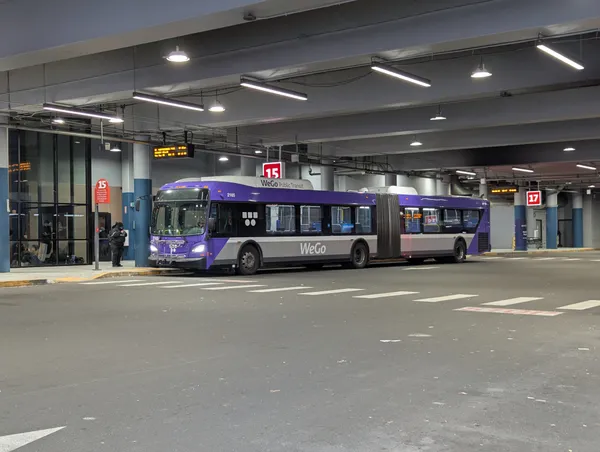
In recent years, Nashville’s main transit hub and several bus stops have been the settings for major violent incidents, including shootings and fatal stabbings. One well-documented incident occurred May 16, 2024, outside the downtown Elizabeth Duff Transit Center at WeGo Central, where an argument on the steps ended when one man shot another; the alleged shooter was quickly taken into custody and the victim was transported to the hospital.
Later, in November 2024, Nashville officials publicly addressed safety concerns after a cluster of violent deaths tied to transit locations, including a fatal stabbing at a bus stop on Harding Place at Antioch Pike and a separate fatal shooting involving teens at the downtown transit hub. City leaders discussed the need for systemwide safety measures that extend beyond a single facility.
Security measures and operational realities
Transit agencies and city officials have described a layered approach to safety that combines on-site security, police coordination, and extensive camera coverage. In board materials reviewed by this newsroom, WeGo has described 24/7 security presence at WeGo Central, centralized monitoring of facility cameras, and on-board video/audio recording across its bus fleet. The agency has also described de-escalation training for operators and protective barriers installed around bus operator compartments.
At the same time, officials have noted that even with security infrastructure, the defining feature of a bus stop—public access without screening—makes prevention difficult when a confrontation develops quickly or when individuals arrive armed.
Why the incident matters
Transit stops are essential public spaces, particularly for residents who rely on buses for work, school, and medical appointments. When violence occurs in these settings, it can disrupt mobility, deter ridership, and intensify pressure on city government and transit leadership to show measurable improvements.
- Bus stops concentrate strangers in close proximity, increasing the chance of disputes.
- Incidents can unfold in minutes, limiting the time available for intervention.
- Safety planning must account for the full network—not only the downtown hub.
As Nashville expands and modernizes its transit system, the operational challenge remains balancing open access with effective, visible safety measures across thousands of daily rider interactions.
What comes next
Investigations into transit-area shootings typically focus on identifying the shooter, establishing the sequence of events, and determining whether surveillance footage captured the confrontation. Any criminal charges, if filed, would proceed through the courts. Separately, transit safety reviews—covering staffing models, camera systems, emergency alert tools, and coordination with police—are expected to remain a central part of Nashville’s broader transportation implementation debates.