Army Corps emergency power teams assess eight Nashville schools after Winter Storm Fern outages disrupted classes
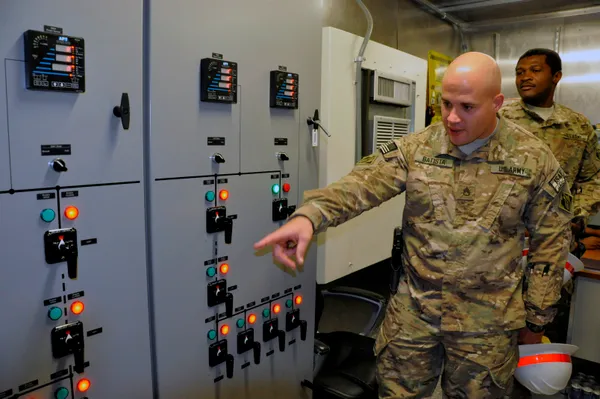
Federal temporary power mission expands from communications sites to school buildings
A U.S. Army Corps of Engineers (USACE) temporary power team has begun on-site assessments aimed at restoring safe, reliable electricity at eight Nashville schools after Winter Storm Fern left parts of the city dealing with prolonged outages and building-system disruptions. The work is designed to determine whether emergency generation and related electrical support are needed to reopen classrooms this week.
The current effort follows earlier emergency power work focused on communications infrastructure, reflecting a shift in priorities from maintaining critical public-safety connectivity to supporting the reopening of schools as power restoration continues across the region. The federal response is operating under disaster authorities tied to the late-January storm and involves coordination with state and local partners.
Which schools are being evaluated
The schools listed for inspection are:
- Dan Mills Elementary School
- DuPont Elementary School
- DuPont Tyler Middle School
- East Nashville High School
- East Nashville Middle School
- Norman Binkley Elementary School
- Nashville School of the Arts
- Pennington Elementary School
As of the morning of Feb. 2, 2026, six of the eight school assessments had been completed, with remaining sites scheduled for evaluation as crews work through technical and access requirements.
What the assessments are measuring
USACE teams are conducting pre-installation inspections to evaluate each campus’s backup generator systems and determine the status of commercial utility power. The process is intended to clarify whether temporary generators are necessary, what size and connection configuration would be required, and whether building electrical systems can safely accept emergency power.
In winter-weather events, schools can face compounding impacts beyond the initial loss of electricity. Extended outages during extreme cold raise risks for broken pipes, roof leaks, and heating, ventilation and air conditioning (HVAC) failures—issues that can affect both building safety and the timeline for reopening.
Who is on the ground and how the response is structured
The assessment effort includes personnel from multiple USACE districts, with augmentation by Soldiers from the 249th Prime Power Engineer Battalion and support from contracted resources under federal emergency contracting mechanisms. The teams are operating as part of a broader temporary emergency power mission supporting affected communities across the Southeast and East Coast, where ice-driven tree damage and downed lines have contributed to extended outages.
The emergency power mission is intended to support critical facilities during restoration, including sites such as schools, communications infrastructure, and other public services when commercial power is unavailable or unreliable.
Context: school impacts amid a wider restoration effort
Local education officials have reported that dozens of campuses experienced outages at the storm’s peak, with some schools still without full power several days later. Utility restoration has involved mutual-aid lineworker deployments from outside the region, with the pace of repairs shaped by extensive ice-related damage to distribution equipment and difficult working conditions.
For schools, the immediate decision point is whether temporary generation can safely bridge the gap until full utility restoration and building repairs are complete. The ongoing assessments are expected to inform whether emergency power installations are needed, and if so, which campuses can reopen first based on electrical readiness and building conditions.