Advanced DNA profiling identifies Marcus Rutledge, linking a 2010 skull discovery to his 1998 disappearance
A long-running missing-person case gains an identity, but key questions remain
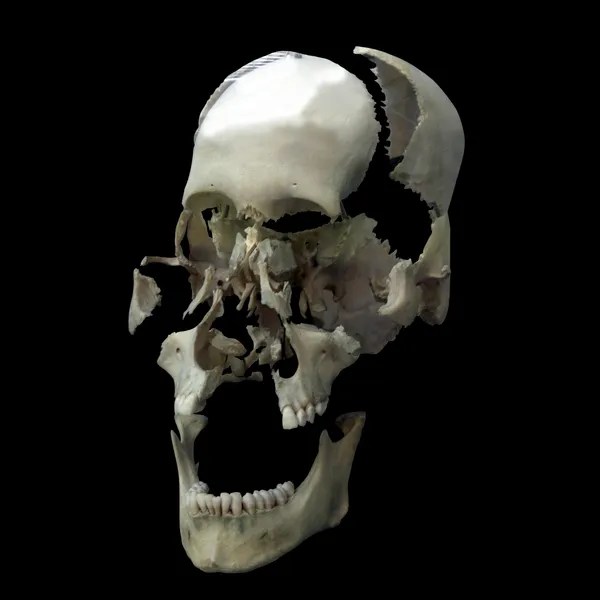
New DNA technology has led to the identification of human remains found in Nashville in 2010, connecting them to a disappearance reported more than two decades earlier. Authorities have confirmed that the skull recovered in rural Davidson County belonged to Marcus Rutledge, who was 23 when he was reported missing on June 8, 1998.
The remains were discovered on December 8, 2010, when a hunter found a skull in the area of Ashland City Highway and Pecan Valley Road, approximately 30 to 40 yards off the roadway. A search at the time did not locate additional remains, leaving investigators with limited forensic evidence and few investigative leads.
Timeline of the case
June 8, 1998: Rutledge is reported missing in Nashville. Investigators suspected foul play early in the case.
June 30, 1998: Rutledge’s vehicle is located at an apartment complex on Cabot Drive in West Nashville.
December 8, 2010: A hunter discovers a human skull off Pecan Valley Road near Highway 12; no other remains are recovered at the scene.
January 31, 2025: Authorities announce the remains have been identified through DNA as Rutledge.
How identification became possible
After the 2010 recovery, the skull was transferred to the Medical Examiner’s Office. Investigators later developed a DNA profile and entered it into the Combined DNA Index System (CODIS), a national database used to compare DNA profiles. The profile ultimately matched DNA submitted by a family member, allowing officials to confirm the identity.
The identification establishes, for the first time, that Rutledge died at some point before the skull was recovered in 2010, narrowing the investigative window and shifting focus from a missing-person search to a death investigation.
What is known—and what remains unclear
Officials have said foul play is suspected, and the case remains under investigation by Nashville’s Cold Case-Homicide/Missing Persons Unit. Because only the skull was recovered, the cause of death has not been determined. Investigators have not publicly detailed a timeline for when the death occurred, how Rutledge came to be in the area where the skull was found, or whether additional evidence has been recovered since the identification.
The case highlights a recurring challenge for law enforcement: unidentified remains can remain nameless for years when limited physical evidence exists. In this instance, advances in DNA extraction and database matching provided a path to identification even without a full set of remains.
What authorities are asking now
Detectives continue to seek information connected to Rutledge’s disappearance and death. The investigation remains open as authorities work to determine the circumstances that led from his last known movements in 1998 to the recovery of the skull in 2010.